Blog
What's New
Get the latest furniture trends for less at Furniture World Saskatoon
Find new and amazing products that we feature every month from the world’s finest furniture makers and the Canadian furniture industry’s cream of the crop. Get in touch with us for complete information about products slated for launching at our store.
-
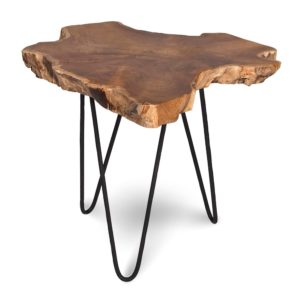
Style In Form Nesting Table Hairpin
$429.00Original price was: $429.00.$349.00Current price is: $349.00. -
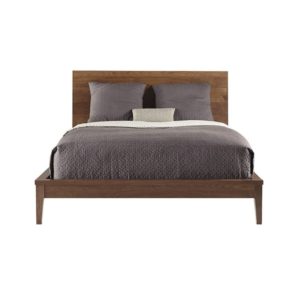
West Bros Serra King Walnut Bed
$3,499.00Original price was: $3,499.00.$2,799.00Current price is: $2,799.00. -
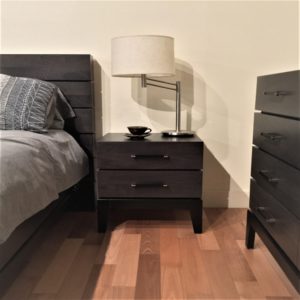
TH Definity Walnut Night Table
$1,499.00Original price was: $1,499.00.$1,199.00Current price is: $1,199.00. -
Ren-Wil Tupper Picture
$549.00Original price was: $549.00.$399.00Current price is: $399.00. -
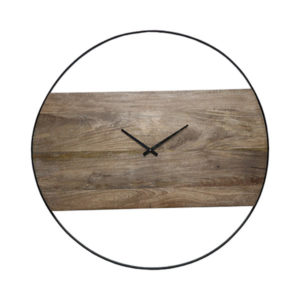
Renwil Amika Clock
$619.00Original price was: $619.00.$489.00Current price is: $489.00. -
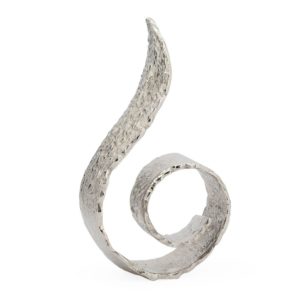
Torre & Tagus Flame Sculpture
$159.00Original price was: $159.00.$119.00Current price is: $119.00. -
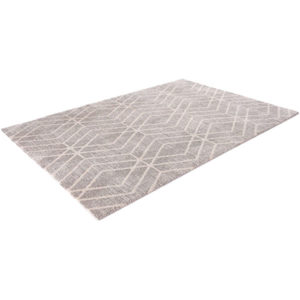
Citak 5X8 Rug Arctic Thatch
$599.00Original price was: $599.00.$449.00Current price is: $449.00.
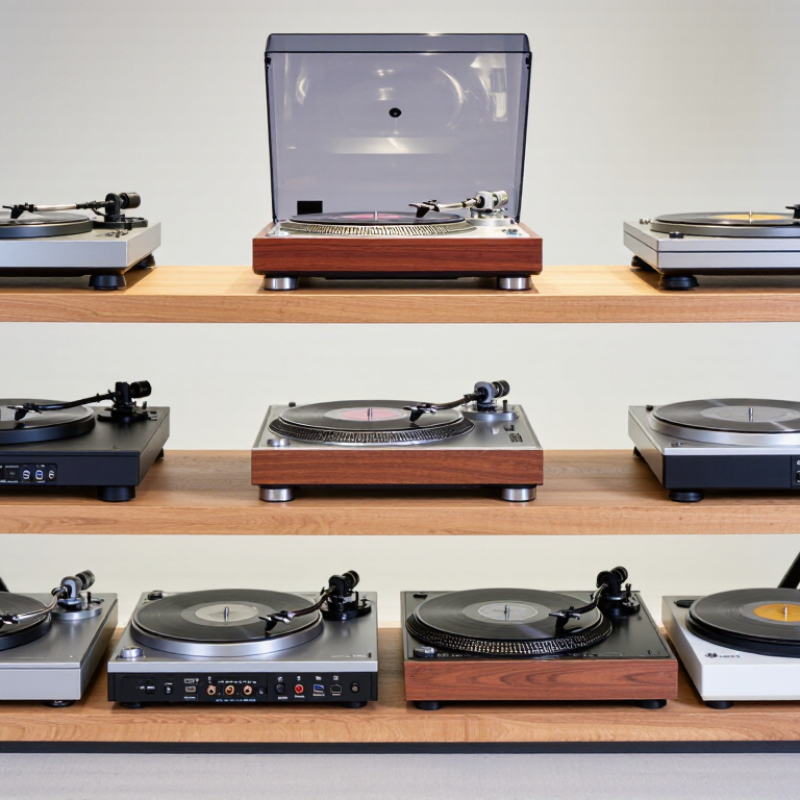
10 Best Vinyl Player Turntables for Buyers?
Vinyl has moved well beyond nostalgia. In its 2023 year-end report, the Recording Industry Association of America (RIAA) reported that U.S. vinyl revenue reached $1.4 billion, with 43.2 million records sold. That growth brings more choices—and more room for costly mismatches. A record player may look elegant beside a bookshelf, but a poorly matched cartridge, wobbly shelf, or weak built-in preamp can dull the sound.
For this guide to the 10 Best Vinyl Player Turntables for Buyers, we’ll compare practical details: setup effort, cartridge type, speed options, connectivity, and upgrade potential. Analog audio journalist Michael Fremer is known for detailed turntable and cartridge reviews; his work underscores how strongly setup and component matching can shape listening. This is a paraphrase of his reviewing approach, not a verbatim quotation. That distinction matters.
Some buyers want a simple deck for weekend listening. Others enjoy adjusting tracking force and testing different speakers. Neither approach is wrong. A turntable should fit the room, the record collection, and the listener’s patience—not just a product photo. We’ll consider both entry-level models and more capable options, while noting trade-offs rather than promising perfect sound. Because even a well-reviewed Vinyl Player Turntable can disappoint on a vibrating desk. One small detail, easily missed.
What Is a Vinyl Turntable and How Does It Work?
A vinyl turntable reads a record through contact, not a digital scan. As the disc spins, a tiny stylus follows the changing walls of its spiral groove. Those movements travel through the tonearm to a cartridge, where magnets and coils, or another conversion system, turn vibration into an electrical signal. The groove is remarkably small. Dust or a worn stylus can interfere, so careful handling matters.
That signal is weak and equalized for storage, so most setups need a phono preamplifier. It boosts the signal and applies the RIAA playback curve, restoring the tonal balance used during record mastering. The RIAA’s 2023 revenue report recorded $1.4 billion in U.S. vinyl sales, evidence of a substantial market—not proof that every turntable sounds alike. Speed stability, cartridge alignment, and the phono stage all affect playback. A record can sound warm, but warmth is not guaranteed. Honestly, setup is fussier than many buyers expect. A slightly misaligned stylus may still play music, yet wear records unevenly over time.
Which Turntable Types and Features Should Buyers Know?
Turntable choice starts with the drive system. Belt-drive models use an elastic belt to spin the platter, which can help isolate motor vibration. Direct-drive designs connect the motor more closely to the platter and often offer steadier speed recovery. Neither type guarantees better sound; setup, cartridge quality, and the condition of the record matter too. One detail is easy to overlook.
The Recording Industry Association of America reported that U.S. vinyl revenue reached $1.4 billion in 2023, marking its 17th consecutive year of growth. That market trend makes practical features worth checking. A built-in phono preamp can connect a turntable to speakers or an amplifier without a separate component. If the model lacks one, confirm that the amplifier has a phono input. Also check cartridge replaceability, adjustable tracking force, and whether the platter supports both common record speeds.
Automatic turntables lift and return the tonearm with less manual handling; manual models give listeners more control but require careful placement. For a first setup, automatic operation may feel forgiving. Still, convenience can come with fewer adjustment options. Place the unit on a firm, level surface, away from speaker vibration. Small setup errors matter. I would not choose by appearance alone; a sleek dust cover cannot correct a poorly aligned cartridge.
How Were the Ten Best Turntables Selected?
The ten turntables were assessed using practical criteria: speed stability, tracking performance, setup demands, construction, and connection options. These factors affect whether a record plays steadily and whether a new owner can use the system without extra equipment. The Recording Industry Association of America reported that U.S. vinyl revenue reached $1.4 billion in 2023, marking its 17th consecutive year of growth. That market context supports careful comparisons, but popularity alone does not make a turntable a strong choice.
Each model was judged against its stated features and intended user, then checked for clear, usable controls and realistic setup requirements. A stable platter and adjustable tracking force matter; so do a dust cover, accessible speed controls, and a tonearm that is not awkward to balance. Where independent laboratory measurements were unavailable, specifications were treated as claims, not proof. That distinction is easy to overlook. No single test captures room noise, worn records, or a listener’s patience.
What Are the Ten Best Vinyl Turntables for Different Buyers?
The best vinyl turntable depends on where you listen, how much setup you enjoy, and what your budget can handle. A beginner may prefer a fully automatic model: press one button, and the tonearm moves for you. For a small apartment, a compact turntable with a built-in preamp saves shelf space and extra cables. A suitcase-style player is portable and simple, though its lightweight construction can limit sound quality. Convenience has trade-offs.
For listeners who want room to upgrade, a manual belt-drive model offers a useful starting point. A direct-drive turntable suits people who value quick, steady startup and hands-on cueing. DJs often need adjustable pitch and a sturdy tonearm; casual listeners may not. An all-in-one system with speakers is practical when there is no separate stereo, while a turntable with USB output helps digitize records. Check that its software and connections fit your computer before buying.
Collectors with valuable records may favor a model with adjustable tracking force and anti-skate, paired with a replaceable stylus. A heavy-plinth turntable can help reduce vibration in a busy room, but it costs more and is less convenient to move. That makes ten useful choices across different needs: automatic, compact, portable, upgradeable belt-drive, direct-drive, DJ-focused, all-in-one, USB-equipped, adjustable, and vibration-resistant. I would still inspect the cartridge, available replacement parts, and return policy. Small details matter. A cheap player can become frustrating if its stylus is difficult to replace.
10 Best Vinyl Player Turntables for Buyers? — What Are the Ten Best Vinyl Turntables for Different Buyers?
A brand-neutral guide to ten turntable types matched to common listening needs. Prices are approximate US-market ranges and can vary by retailer, region, and included accessories.
| Best for | Turntable type | Typical features | What to check before buying | Approx. price range (USD) |
|---|---|---|---|---|
| First-time listeners | Automatic belt-drive turntable | Usually supports 33⅓ and 45 RPM records; the tonearm starts and returns automatically. | Confirm whether a phono preamp is built in and whether the cartridge is replaceable. | $150–$350 |
| Buyers seeking straightforward setup | Plug-and-play turntable with built-in preamp | Pre-adjusted setup on some models; can connect to powered speakers or a line-level input. | Check that the preamp can be switched off if connecting to a separate phono input. | $200–$500 |
| Listeners who value manual control | Manual belt-drive turntable | Manual tonearm placement; belt drive helps isolate the platter from motor vibration. | Check whether the belt, cartridge, and stylus are standard, replaceable parts. | $250–$700 |
| Buyers who want to upgrade over time | Adjustable hi-fi turntable | Typically offers adjustable tracking force and anti-skate, plus a replaceable cartridge. | Allow for the cost of a phono preamp if one is not included; setup requires careful adjustment. | $400–$1,200 |
| Listeners with a larger record collection | Three-speed turntable | Supports 33⅓, 45, and 78 RPM playback; 78 RPM records generally need a suitable stylus. | Verify that the correct stylus for shellac 78s is available and compatible. | $250–$800 |
| People who want to digitize records | USB-output turntable | USB connection can send audio to a computer for recording; some models also include a phono preamp. | Check the computer connection, recording software requirements, and whether USB output is available during playback. | $180–$600 |
| Listeners using wireless headphones or speakers | Bluetooth-capable turntable | Transmits audio wirelessly to compatible Bluetooth receivers or speakers; some models also provide wired outputs. | Wireless playback can add latency or audio compression; check supported connections and wired options. | $200–$700 |
| DJ practice and cueing | Direct-drive turntable | Motor drives the platter directly; common DJ-oriented features include pitch control and a replaceable stylus. | Look for stable speed, suitable torque, and a tonearm and cartridge appropriate for the intended use. | $300–$1,000 |
| Listeners prioritizing speed stability | Direct-drive hi-fi turntable | Direct drive can provide consistent platter rotation and avoids belt replacement. | Compare measured speed consistency and vibration performance; direct drive alone does not guarantee better sound. | $500–$2,000 |
| Buyers building a higher-end listening system | Upgradable audiophile turntable | Often designed for cartridge, platter, mat, or power-supply upgrades; may use belt drive. | Budget for a suitable phono stage, cartridge setup, and a stable, level support surface. | $1,000 and up |
Prices are broad category estimates, not guarantees. Turntables require compatible amplification: use a built-in phono preamp, an external phono preamp, or an amplifier with a phono input. For best results, match the cartridge and stylus to the tonearm and records.
How Can Buyers Choose and Set Up the Right Turntable?
Choosing a turntable starts with your listening habits and budget, not a long feature list. Check whether it includes a cartridge and a built-in phono preamp; these affect what else you need to buy. If your speakers lack a phono input, a preamp may be necessary. Manual models ask you to lift the tonearm yourself, while automatic models handle more of the motion. Neither choice guarantees better sound. A stable plinth, adjustable tracking force, and replaceable stylus are useful practical features.
Setup matters. Place the turntable on a firm, level surface, away from speakers that cause vibration. Use a small level to check the platter. Follow the maker’s instructions to balance the tonearm and set tracking force; guessing can cause poor playback or unnecessary record wear. Keep cables away from power cords when possible, and connect the ground wire if your setup requires one. I once thought a slight hum meant a faulty player; a loose connection was the simpler cause.
Tips: Handle records by their edges. Keep the stylus clean with a suitable brush, moving gently in the recommended direction. Start with one familiar record and listen for skipping, distortion, or hum. Small setup changes can help, but adjust one thing at a time.
Choose a turntable that supports the speeds your records require. Most LPs play at 33⅓ RPM, many singles at 45 RPM, and some older shellac records at 78 RPM. Check each record’s label and confirm the turntable supports the matching speed.