Blog

What's New

Get the latest furniture trends for less at Furniture World Saskatoon

Find new and amazing products that we feature every month from the world’s finest furniture makers and the Canadian furniture industry’s cream of the crop. Get in touch with us for complete information about products slated for launching at our store.

2026 Top Dining Room Furniture Trends for Global Buyers

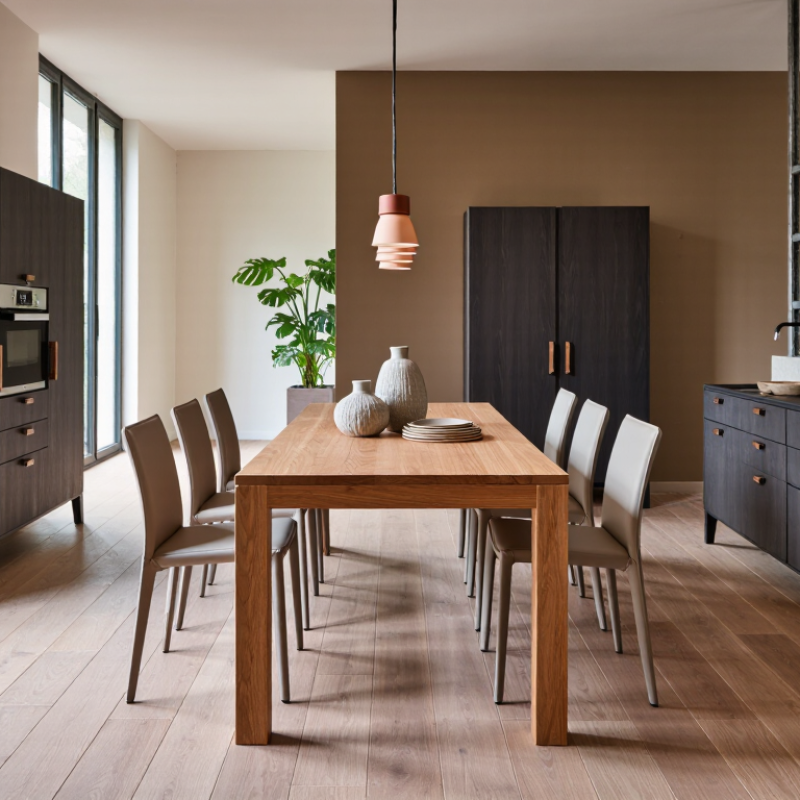
In 2026, global buyers will view Dining Room Furniture as more than a table and chairs. They will seek adaptable pieces for changing homes, hospitality spaces, and compact apartments. Extendable tables, stackable seating, and modular storage will gain practical attention. Natural oak, smoked ash, recycled aluminum, and textured stone will shape premium collections. Warm finishes should replace overly cold, showroom-like interiors.

Dieter Rams, a respected industrial and furniture design authority, said, “Good design is as little design as possible.” This principle remains useful for dining spaces. Buyers increasingly want clean forms, comfortable proportions, and durable construction without unnecessary decoration. A 2.2-meter table, for example, must support daily meals, remote work, and weekend gatherings. Chairs should feel stable after several hours, not merely photograph well.

Sustainability will also influence purchasing decisions. Buyers will examine material origins, repair options, packaging waste, and supplier transparency. Verified timber sourcing and credible environmental documentation can strengthen trust. Regional safety, labeling, and fire-resistance requirements still need careful review. Trends do not replace compliance.

Some forecasts may age badly. Glossy surfaces could return, while minimalism may lose momentum. That uncertainty matters. Successful suppliers should test finishes, collect retailer feedback, and compare performance across climates. Humidity can affect solid wood. Coastal shipping can expose metal parts to corrosion. Practical evidence should guide every 2026 collection, not fashionable images alone. The strongest Dining Room Furniture trends will combine visual warmth, flexible function, honest materials, and dependable long-term value.

2026 Top Dining Room Furniture Trends for Global Buyers

Global Market Scope: Furniture Sales Forecast at 5.2% CAGR, 2025–2030

2026 Top Dining Room Furniture Trends for Global Buyers

The global dining furniture market is entering 2026 with measured optimism. This outlook uses a 5.2% CAGR forecast for 2025–2030. Fortune Business Insights valued the global furniture market at approximately USD 516.66 billion in 2024. Its research also indicates continued growth through 2032.

For international buyers, compact flexibility will shape purchasing decisions. Extendable tables can serve four people daily and eight during family gatherings. Stackable chairs reduce warehouse pressure and shipping costs. Modular sideboards also support changing apartment layouts. These details matter in cities where dining areas are becoming smaller.

Material transparency will gain importance. Buyers increasingly request certified wood, recycled metal, and low-emission finishes. However, sustainability claims need careful verification. A supplier’s catalogue is not enough evidence. Product testing, chain-of-custody records, and consistent specifications should support each claim.

Digital buying will influence product development. Buyers can compare dimensions, finishes, packaging, and delivery terms before requesting samples. Yet online images can hide uneven grain or uncomfortable chair angles. Physical inspection remains valuable. This is an imperfect market. Forecasts can miss inflation, freight disruption, or sudden housing changes. Careful buyers should test demand in smaller orders before expanding their 2026 dining collections.

Multifunctional Dining Sets: Why Compact Homes Drive Modular Demand

Urban density is reshaping dining furniture demand.

UN DESA’s World Urbanization Prospects estimates that 68% of people will live in cities by 2050. Compact apartments need furniture that changes function without adding visual clutter. Space is expensive.

A modular dining set can include a drop-leaf table, nesting stools, and a storage bench. The table supports meals, laptop work, or informal entertaining. The bench can hold linens, cookware, or children’s items.

NAHB’s 2024 What Home Buyers Really Want report found that buyers preferred a median home size of 2,067 square feet. That figure is U.S.-based, but it signals stronger pressure on usable floor area.

Global buyers should still check regional living patterns before copying one market’s assumptions.

Product evaluation needs more than attractive photographs.

Measure the folded depth, open width, seat height, and clearance between chairs. Check hinge durability, load ratings, replacement hardware, and surface resistance.

I have seen compact sets fail when storage access becomes awkward. Modular does not automatically mean practical. A narrower table may improve circulation, yet its reduced seating capacity can frustrate larger households.

Suppliers should provide assembly instructions, material specifications, and consistent carton dimensions. Buyers should request tested samples where possible. This approach costs more upfront, but it exposes weaknesses before large orders.

Material Priorities: FSC Wood and Recycled Content Under EU Circularity Rules

In 2026, dining room furniture buyers are prioritizing materials that support traceability and circular design. FSC-certified wood remains important because it links tables, chairs, and sideboards to responsibly managed forests. Buyers should request a valid certificate, chain-of-custody details, and product-specific documentation. A logo alone is not enough.

Recycled content is gaining equal attention under tightening EU circularity expectations. Recycled steel frames, reclaimed wood panels, and recycled plastic components can reduce reliance on virgin resources.

However, recycled content is not automatically better. Durability, repairability, chemical safety, and end-of-life separation still matter. A dining chair with recycled parts may fail early if its joints are weak.

Check the details.

During supplier reviews, ask for the percentage of recycled content by weight. Also confirm whether the material is pre-consumer or post-consumer waste. Request test reports, material declarations, and clear information about adhesives, coatings, and finishes. These details help buyers compare products fairly across markets.

Design teams should also examine how easily a product can be repaired. Replaceable seat covers, accessible screws, and separable metal parts can extend service life. Mixed materials create problems during recycling. That issue is often underestimated. Even well-designed furniture may lack complete documentation, especially when suppliers use several subcontractors. Buyers should record these gaps, challenge vague claims, and allow time for verification before placing large orders.

Regional Buying Patterns: North America, Europe, and Asia-Pacific Compared

In 2026, dining room furniture demand will vary sharply by region. Buyers are selecting pieces around space, lifestyle, and delivery conditions.

North American buyers often prefer larger tables, deep seating, and extendable designs for family gatherings. Many request scratch-resistant finishes and easy-clean upholstery. Open-plan homes also encourage coordinated dining and living furniture. However, oversized products can increase shipping costs and limit apartment sales. This trade-off deserves closer calculation.

European buyers usually prioritize compact dimensions, flexible storage, and restrained materials. Round tables suit smaller urban dining areas and improve movement around narrow rooms. Buyers also examine repairability, material transparency, and packaging volume. Compliance documents matter, but purchasing teams sometimes overlook long-term maintenance details. That gap can create avoidable returns.

Across Asia-Pacific, demand differs between mature cities and developing residential markets. Urban buyers often seek slim silhouettes, folding functions, and lighter visual weight. Warm wood tones and natural textures remain attractive in many markets. In smaller apartments, four-seat sets may outperform larger dining suites. Yet some exporters still assume one regional style fits every country. That assumption is risky. Climate, room size, household habits, and local delivery access can change the final specification. Reliable buyers should compare samples, carton protection, and assembly instructions before placing larger orders.

2026 Top Dining Room Furniture Trends for Global Buyers

Regional Buying Patterns: North America, Europe, and Asia-Pacific Compared

Europe shows the strongest preference for sustainable materials and natural finishes, while Asia-Pacific places greater emphasis on compact, multifunctional seating. North American buyers show the highest relative interest in extendable and modular dining furniture. Values are a 0–100 buyer-priority index synthesized from recurring themes in recent public housing, sustainability, and furniture-consumer research; higher values indicate stronger regional emphasis.

Data basis: public 2024–2025 indicators and consumer-trend findings from international urbanization, housing, circular-economy, and home-furnishing research. The index is directional rather than a market-share forecast.

Buyer Standards: BIFMA Testing, MOQ, Lead Time, and ESG Data Requirements

In 2026, global dining furniture buyers will value flexible designs, durable finishes, and measurable supplier performance. Rounded tables, stackable chairs, and compact extendable formats suit changing hospitality and residential spaces. Yet attractive styling cannot replace documented quality. Buyers should request test reports aligned with applicable BIFMA standards, including load capacity, stability, durability, and surface performance. Reports should identify test dates, product samples, and laboratories. Vague claims create avoidable purchasing risks.

Tips: Define MOQ by item, finish, and packaging type. Ask whether mixed colors count toward the minimum. Confirm lead time in writing, including sampling, production, inspection, and shipping preparation. A 45-day promise may exclude material delays. Build a realistic buffer. It helps.

ESG requirements are becoming more specific. Suppliers should provide material declarations, recycled-content evidence, wood sourcing records, and factory energy data where available. Buyers may also request packaging weights, waste controls, worker safety procedures, and corrective-action records. Traceable documents are more useful than broad sustainability language. Still, ESG data is not always complete, especially among smaller factories. That weakness deserves honest disclosure, not polished assumptions. Experienced buyers can use staged orders, third-party inspections, and clear acceptance criteria to reduce uncertainty. Quality reviews should include assembly samples, carton testing, and photographs from production. Furniture trends change quickly, but reliable evidence remains a stronger purchasing advantage than novelty.

2026 Top Dining Room Furniture Trends for Global Buyers - Buyer Standards: BIFMA Testing, MOQ, Lead Time, and ESG Data Requirements
2026 Trend / Product Area Global Buyer Signal Typical Commercial Specification Testing and Compliance Evidence Indicative MOQ for Export Programs Indicative Production Lead Time ESG Data Commonly Requested
Extendable Dining Tables Flexible living
Demand for tables that support both compact apartments and group dining.
Seats 4–6 when closed and 6–10 when extended; concealed or synchronized extension hardware; surface resistance suitable for regular household use. Stability, strength, durability, and extension-cycle testing. For commercial projects, buyers may request applicable table standards such as EN 12521 or an agreed project test protocol. Approximately 50–150 units per design or finish, depending on material and customization. Approximately 45–75 days after approved sample and deposit; complex mechanisms may require additional development time. Panel or timber species; recycled content; formaldehyde or VOC test results where relevant; packaging material breakdown; repair and spare-parts plan.
Compact and Drop-Leaf Tables Space efficiency
Strong fit for urban housing, hospitality rooms, and multifunctional interiors.
Folded depth commonly below 600 mm; reinforced hinges; locking mechanism; rounded or softened edges; easy-clean topcoat. Load, stability, hinge-cycle, edge-impact, and tip-resistance testing. Testing should reflect the intended domestic or contract-use classification. Approximately 100–300 units per model, with lower quantities possible for standard finishes. Approximately 35–60 days for established designs; 60–90 days for new tooling or hardware. Material origin; coating chemistry; recycled packaging percentage; product weight; estimated transport emissions by shipment.
Solid Wood and Wood-Look Finishes Natural material appeal
Buyers increasingly balance tactile appearance with price and supply stability.
Moisture-controlled timber; consistent stain or veneer matching; scratch and stain resistance; documented surface-care instructions. Moisture content, coating adhesion, abrasion, stain, and heat-resistance tests. Chain-of-custody documentation may be requested for certified timber claims. Approximately 50–200 units per finish; solid wood programs often require larger purchase commitments. Approximately 50–90 days, subject to timber availability and finish approval. Species and country of harvest; legality documentation; chain-of-custody certificate when claimed; renewable or recycled content; water-based coating data.
Recycled or Recyclable Dining Chairs Circular materials
Buyers seek durable seating with clear material declarations rather than vague eco claims.
Replaceable glides; reinforced joints; stackable or easy-to-handle formats; recycled polymer, recycled metal, or responsibly sourced wood options. For contract seating, buyers may specify applicable BIFMA seating tests, including ANSI/BIFMA X5.4 for lounge and public seating where the product scope is appropriate. Domestic seating may require EN 12520 or an equivalent agreed standard. Approximately 100–500 units per color or material, depending on molding and upholstery requirements. Approximately 45–75 days for standard components; 75–120 days for custom molds or upholstery programs. Material composition by percentage; recycled-content evidence; disassembly instructions; component recyclability; upholstery chemical and durability data.
Upholstered Dining and Banquette Seating Comfort-led dining
Banquettes and upholstered chairs are used to create residential-style hospitality settings.
Commercial-grade fabric option; replaceable covers where feasible; high-density foam; cleanable and abrasion-resistant upholstery; protected seams. Fabric abrasion, seam strength, colorfastness, flammability where required by destination market, and seating durability. BIFMA testing may be requested for applicable public or contract seating products. Approximately 50–200 units per upholstery specification; custom fabric programs may require larger minimums. Approximately 60–90 days after fabric approval; 90–120 days for imported or custom upholstery materials. Fiber composition; recycled fiber percentage; restricted-substance declaration; foam emissions information; cleaning chemicals; end-of-life separation options.
Outdoor-Indoor Dining Continuity Hybrid spaces
Hospitality and residential buyers want coordinated indoor and covered-outdoor collections.
Corrosion-resistant metal or treated timber; UV-resistant finishes; drainage-friendly construction; replaceable feet and hardware. Corrosion, UV exposure, water-resistance, dimensional stability, and load testing. Destination-specific outdoor-use requirements should be agreed before production. Approximately 100–300 units per finish or frame color. Approximately 50–80 days for standard frames; longer when special coatings or outdoor fabrics are used. Coating-system information; metal recycled content; timber treatment chemicals; durability assumptions; packaging recyclability; maintenance interval.
Modular Dining Storage and Sideboards Organized interiors
Storage is expected to coordinate with dining tables and serve multiple functions.
Adjustable shelves; soft-close or tested hinges; anti-tip device; cable management where appliances are accommodated; stable wall or floor anchoring instructions. Storage-unit stability, door and drawer-cycle, shelf-load, and anti-tip testing. ANSI/BIFMA X5.9 may be considered when the product is designed for office or institutional storage scope; household products require the relevant domestic standard or buyer protocol. Approximately 50–200 units per configuration and finish. Approximately 45–75 days after engineering approval. Panel material and recycled content; formaldehyde emissions; hardware durability; repairability; replacement-part availability; packaging volume.
Commercial and Hospitality Dining Programs Higher durability
Restaurants, hotels, and mixed-use projects prioritize lifecycle cost over lowest purchase price.
Higher cycle life; replaceable components; contract upholstery; consistent batch color; documented cleaning and maintenance procedures. Use a written test matrix. Depending on product scope, buyers may request applicable ANSI/BIFMA standards such as X5.1 for office chairs, X5.4 for lounge and public seating, or X5.5 for desk products; dining products should not be labeled BIFMA-compliant unless the tested scope matches the standard. Approximately 100–1,000 units per program, often split across phased deliveries. Approximately 60–120 days, excluding approval, site testing, and phased logistics. Environmental product data where available; product carbon footprint assumptions; maintenance-life estimate; replacement-part list; responsible sourcing and labor-policy evidence.
Flat-Pack and Logistics-Efficient Furniture Freight optimization
Buyers are reducing shipping volume, damage rates, and warehouse requirements.
Knock-down construction; optimized carton utilization; protective corners; clear assembly instructions; hardware packed by module. Carton drop and compression tests; assembly-cycle checks; joint strength; stability after repeated assembly where applicable. Approximately 200–800 units per SKU for optimized export production. Approximately 35–70 days for established designs. Carton dimensions and weight; packaging material percentage by type; recycled fiber content; shipment cube utilization; damage and return-rate data.
BIFMA-Oriented Buyer Qualification Documented performance
Institutional buyers increasingly require a traceable test report instead of a general statement of compliance.
Product model, configuration, intended use, test method, sample quantity, test date, and pass/fail results must be clearly identified. Request an independent laboratory report or an accredited internal-laboratory report where accepted. Confirm that the report covers the exact construction, dimensions, materials, and load rating being purchased. Usually linked to the product program rather than a separate testing MOQ; pilot quantities may be required for validation. Add approximately 2–6 weeks for testing and corrective actions when a current report is unavailable. Test scope; laboratory credentials; material declarations; restricted-substance statement; corrective-action history; document revision control.
MOQ and Sample Approval Discipline Lower-risk sourcing
Global buyers prefer a defined approval gate before committing to production quantities.
Pre-production sample; approved color and finish standard; signed specification sheet; packaging sample; golden sample retained for quality comparison. First-article inspection, dimensional report, finish approval, functional check, and pre-shipment inspection based on an agreed sampling plan. Sample quantities commonly 1–3 units; production MOQ commonly 50–500 units per SKU, depending on customization. Sample development commonly 7–21 days; production begins after written approval and deposit. Approved material list; supplier declarations; packaging composition; country of origin; corrective-action and nonconformance records.
Lead-Time and Supply-Chain Transparency Predictable delivery
Buyers are separating material lead time, production time, inspection time, and transit time.
Milestone schedule covering material booking, prototype approval, production, inspection, consolidation, and shipment readiness. Batch traceability, inspection records, purchase-order change control, and documented notification for material substitutions or delays. MOQ should be stated separately for each material, finish, color, and packaging configuration. Typical export planning window: 8–16 weeks from approved specification to arrival, depending on production and transport route. Supplier site information; shipment data; energy and water metrics where available; disruption plan; subcontractor disclosure; delivery-performance history.
ESG Data Pack for 2026 Tenders Evidence over claims
Buyers increasingly request structured, comparable data for procurement and reporting.
One product-level data sheet covering materials, origin, packaging, durability, care, repair, and end-of-life considerations. Relevant certificates, laboratory reports, chain-of-custody records, recycled-content evidence, emissions declarations, and restricted-substance documentation should be current and product-specific. No universal MOQ; data readiness is normally required before vendor approval or tender submission. Allow 2–8 weeks to compile and verify a complete product data pack if records are fragmented. Material percentages; country of origin; recycled content; packaging breakdown; carbon or LCA data if available; energy and water metrics; labor and ethical-sourcing policies; repairability; disposal guidance.
Planning note: MOQ and lead-time figures are indicative export-program benchmarks, not universal industry rules. Final requirements depend on product construction, destination-market regulations, customization, testing scope, order volume, and shipping method. BIFMA standards should be selected only when their stated product scope matches the furniture being tested.
Scroll to Top