
-
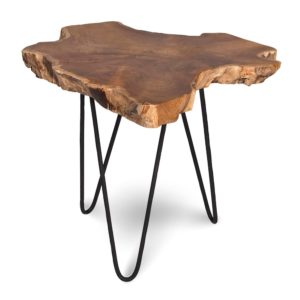
Style In Form Nesting Table Hairpin
Original price was: $429.00.$349.00Current price is: $349.00. -
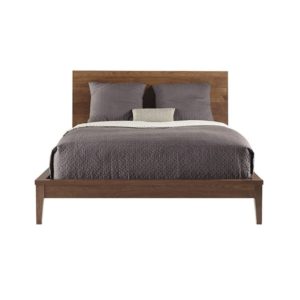
West Bros Serra King Walnut Bed
Original price was: $3,499.00.$2,799.00Current price is: $2,799.00. -
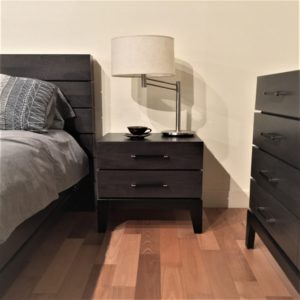
TH Definity Walnut Night Table
Original price was: $1,499.00.$1,199.00Current price is: $1,199.00. -
Ren-Wil Tupper Picture
Original price was: $549.00.$399.00Current price is: $399.00. -
Renwil Amika Clock
Original price was: $619.00.$489.00Current price is: $489.00. -
Torre & Tagus Flame Sculpture
Original price was: $159.00.$119.00Current price is: $119.00. -
Citak 5X8 Rug Arctic Thatch
Original price was: $599.00.$449.00Current price is: $449.00.

What Is the Best Door Stopper Type in 2026?
Choosing the best Door Stopper in 2026 depends on more than price. Floor surface, door weight, airflow, and daily traffic all matter. A rubber wedge can grip a smooth kitchen floor, while a magnetic stop may suit a frequently used hallway. For renters, a portable option may be more practical than a drilled-in wall stop. Small hardware, real consequences.
The market context is worth noting, but it does not pick a winner. Harvard’s Joint Center for Housing Studies projected homeowner remodeling spending would reach about $509 billion in 2025 in its January 2025 Leading Indicator of Remodeling Activity. That forecast signals sustained renovation activity, not a measured rise in demand for door stops. A useful comparison therefore needs to focus on fit, durability, installation, and safety—not sales claims alone. I would be cautious about calling any one type “best” without knowing the door and floor.
Safety deserves particular care around fire doors. NFPA 80 addresses fire-door assemblies and approved hold-open arrangements; an ordinary wedge should not replace a required release device. For everyday rooms, this guide compares wedge, hinge-pin, magnetic, wall-mounted, and automatic options, noting where each works—and where it can disappoint. A stopper that slips on tile, marks a painted wall, or catches a passing foot is not a good choice, even if its listing sounds convincing. Some trade-offs remain. The right type is the one that holds reliably without creating a new problem.
What a Door Stopper Is and How It Works
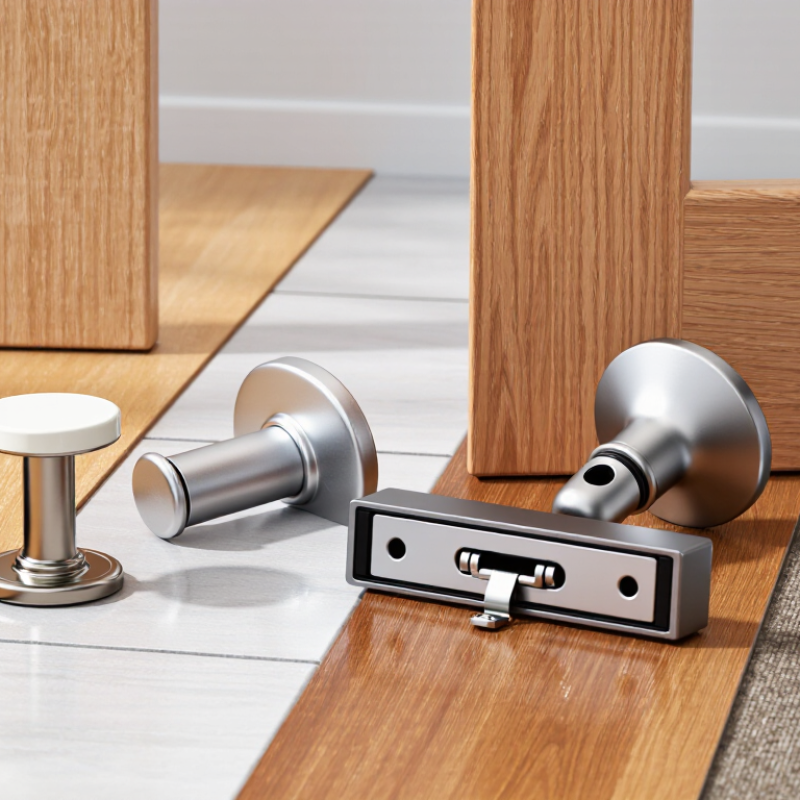
A door stopper is a small device that limits a door’s movement or keeps it in place. Some types sit under the door, while others attach to a wall, floor, or hinge. A wedge works by creating friction between the door and the floor. A wall-mounted stop creates a firm contact point before the handle hits the wall. Magnetic models hold a door open until someone pulls it free. Simple, but useful.
The right type depends on how the door moves and what the floor is like. A rubber wedge may grip tile differently from carpet, and a heavy door can push a lightweight stop aside. Wall and floor stops need secure installation, especially where doors open often. I used to think any stopper would do; the surface and door weight matter more than I expected. Check that the stopper prevents damage without making the doorway awkward to use. A stopper can reduce unwanted movement, but it may not hold a door against strong drafts or pressure.
What Is the Best Door Stopper Type in 2026? — What a Door Stopper Is and How It Works
A door stopper is a device that limits a door’s movement, holds it open, or cushions impact against a wall or another surface. The best type depends on the door, floor or wall material, and whether the goal is to hold the door open or prevent damage.
| Door Stopper Type | How It Works | Best Suited For | Main Advantages | Things to Consider |
|---|---|---|---|---|
| Wedge door stop | Slides beneath the door; friction between the wedge, floor, and door helps keep the door in place. | Temporary use on firm, reasonably level floors. | Portable, inexpensive, and requires no installation. | May slip on dusty, wet, or very smooth floors; performance depends on door clearance and wedge material. |
| Kick-down door stop | A hinged arm swings down from the door and presses a rubber foot against the floor to hold the door open. | Frequently used doors where a built-in hold-open function is useful. | Easy to engage or release with a foot; stays attached to the door. | Requires secure mounting and suitable floor contact; can leave marks on some floor finishes. |
| Hinge-pin door stop | Fits onto a door hinge pin; adjustable arms contact the door and frame to limit how far the door opens. | Doors with compatible exposed hinges where floor or wall mounting is undesirable. | Compact and keeps the stop off the floor. | Must match the hinge and be adjusted carefully; concentrated contact can damage trim or the door if the door is forced. |
| Wall-mounted stop | A projecting bumper attached to the wall absorbs contact before the handle or door reaches the wall. | Protecting walls in locations where the door consistently swings toward the same spot. | Simple, unobtrusive protection with no floor obstruction. | The mounting point must align with the door; fixing into a suitable wall surface matters. |
| Floor-mounted stop | A fixed post or low-profile stop contacts the door or its hardware to limit travel or cushion impact. | A defined swing limit where floor installation is practical. | Durable and positioned precisely for a particular door. | Needs secure floor fixing and careful placement; may create a trip or cleaning obstacle. |
| Magnetic door stop | A magnet on the door or floor-side fitting attracts a matching metal plate, holding the door open until it is pulled away. | Locations where the door needs to stay open temporarily as well as avoid striking a surface. | Combines a stopping point with a magnetic hold-open action. | Requires accurate alignment and secure installation; holding strength varies by design and application. |
| Spring door stop | A flexible spring-mounted bumper bends when struck, cushioning contact between the door and a nearby surface. | Light-duty impact protection where a simple bumper is sufficient. | Compact and straightforward to install. | Usually cushions impact rather than holding a door open; repeated force can loosen the mounting or fatigue the spring. |
Quick guide: Choose a wedge for portable, temporary use; a kick-down or magnetic stop when you need to hold a door open; and a wall-, floor-, or hinge-mounted stop when you need a fixed opening limit or impact protection. Check door clearance, mounting surface, floor type, and the door’s swing before choosing.