
-
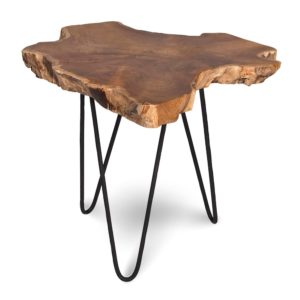
Style In Form Nesting Table Hairpin
Original price was: $429.00.$349.00Current price is: $349.00. -
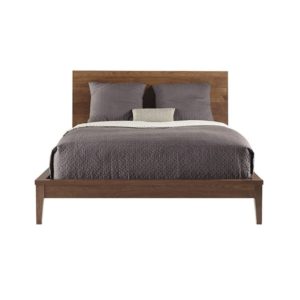
West Bros Serra King Walnut Bed
Original price was: $3,499.00.$2,799.00Current price is: $2,799.00. -
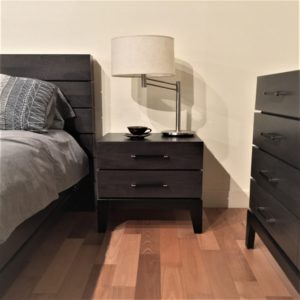
TH Definity Walnut Night Table
Original price was: $1,499.00.$1,199.00Current price is: $1,199.00. -
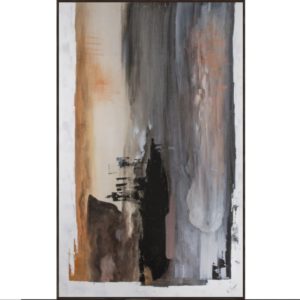
Ren-Wil Tupper Picture
Original price was: $549.00.$399.00Current price is: $399.00. -
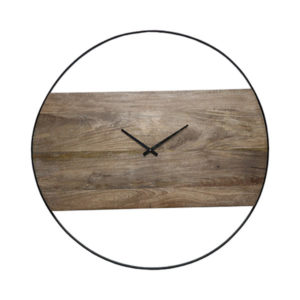
Renwil Amika Clock
Original price was: $619.00.$489.00Current price is: $489.00. -
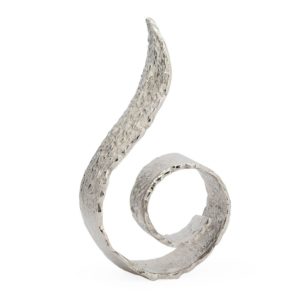
Torre & Tagus Flame Sculpture
Original price was: $159.00.$119.00Current price is: $119.00. -
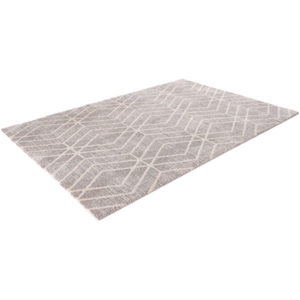
Citak 5X8 Rug Arctic Thatch
Original price was: $599.00.$449.00Current price is: $449.00.
What Are the Best Spectrum Stained Glass Sheets in 2026?
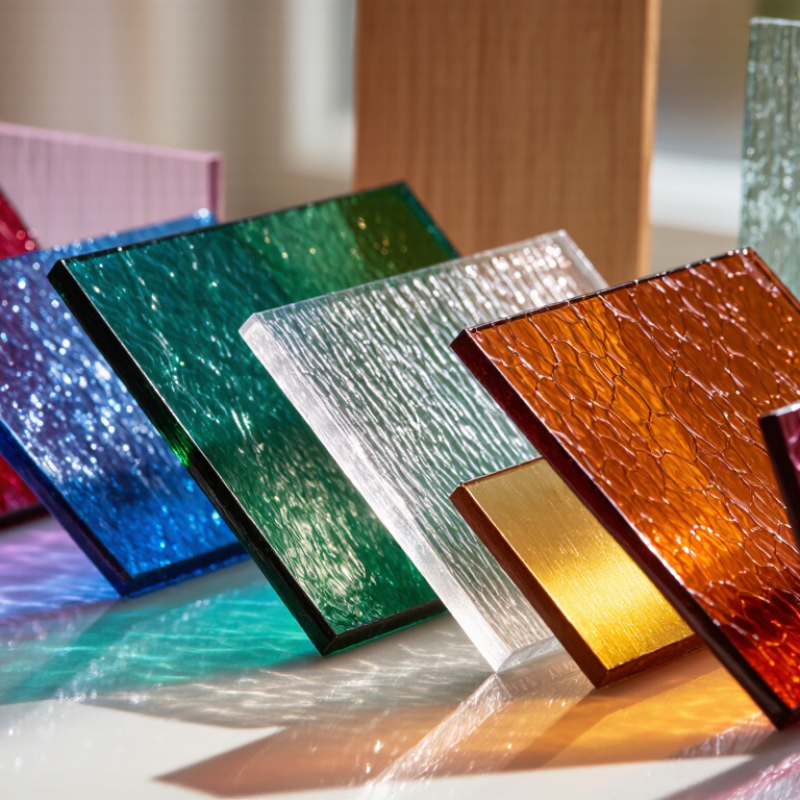
Choosing the best Spectrum Stained Glass Sheets in 2026 depends on more than color. A ruby sheet may glow beautifully on a sample rack, then look nearly opaque beside a bright window. Texture, thickness, light transmission, and consistency all affect the finished panel. Small differences matter.
Industry references help set sensible expectations, but they do not provide a universal ranking of art-glass brands. ASTM International’s C1036-21 specification covers flat glass quality and characteristics; it is useful background, not a certification that a sheet suits every stained-glass technique. The U.S. Geological Survey’s Mineral Commodity Summaries 2025 discusses industrial sand and gravel as an important glassmaking material. That wider context explains part of the supply chain, but it cannot predict a particular sheet’s appearance or workability.
This guide compares Spectrum options through practical criteria: color range, surface texture, cutting behavior, availability, and value. It also considers how a sheet looks in transmitted light, not just under store lighting. That distinction is easy to overlook. No single choice works for every project, and product batches can vary. Treat the recommendations as informed guidance, then test a small piece before committing to a large design.
What Defines a Spectrum Stained Glass Sheet in 2026?
A spectrum stained glass sheet in 2026 is defined by more than its color range. It should offer predictable thickness, a sound surface, and light transmission suited to the intended project. Hold a sample near a window: clear areas, streaks, and texture can look very different in daylight than under a work lamp. That difference matters. A sheet with subtle variation may bring depth to a panel, while strong color shifts can disrupt a repeated pattern.
Reliable selection also depends on practical details. Check that the sheet lies flat, has no sharp edge damage, and can be cut into the shapes your design needs. Compare several pieces from the same batch when color matching matters; small variations are normal, but they may be noticeable in a large window. Ask for product specifications and handling guidance, and test a small offcut before committing to a complex layout. The test may not predict every result. That is worth remembering. Texture, lighting, and cutting technique all influence the finished appearance, so a “best” sheet is the one whose qualities match the work, not simply the one that looks brightest on a shelf.
| Glass Type | Appearance | Light and Color Effect | Well-Suited Projects | What to Check Before Choosing |
|---|---|---|---|---|
| Cathedral glass | Generally transparent or translucent, often with a relatively even color. | Allows light through clearly; the finished color can look different under daylight, interior lighting, and against different backgrounds. | Windows, sun catchers, and designs where transmitted light is important. | View a sample in the intended lighting. Check for color variation, bubbles, and other surface characteristics. |
| Opalescent glass | Opaque or partly opaque, with cloudy, milky, or mottled areas. | Diffuses or blocks more light than clear cathedral glass; color and opacity can vary across a sheet. | Decorative panels and designs that need stronger color presence or reduced visibility through the glass. | Check how much light passes through the specific sheet and whether its pattern fits the design. |
| Wispy glass | One color is blended or streaked through a contrasting or lighter base. | Creates visible movement and variation; the effect depends on how each piece is cut and oriented. | Organic motifs, landscapes, flowing forms, and panels that benefit from visual texture. | Plan cuts around the direction and distribution of the wisps; inspect the full sheet, not only a small sample. |
| Streaky glass | Distinct streaks or bands of color run through the sheet. | Produces directional color patterns that can be emphasized by the placement of each cut piece. | Water, sky, foliage, and other designs where linear movement is useful. | Confirm the streak direction and choose cuts that make the pattern intentional rather than distracting. |
| Textured glass | Has a raised, rippled, hammered, or otherwise patterned surface. | Surface relief changes how light is scattered and can soften or distort views through the glass. | Privacy panels, decorative inserts, and designs that use surface texture as a feature. | Check which side is textured, how the surface affects cleaning, and whether the texture suits the intended location. |
| Antique-style glass | Often has an irregular, lightly rippled surface that evokes older hand-worked glass. | Creates subtle distortion and uneven reflections; appearance varies among sheets. | Traditional-style windows and projects where a less uniform surface is desired. | Inspect the sheet for the degree of distortion and variation, especially when matching existing glass. |
| Mixed-pattern or multi-color glass | Combines multiple colors, textures, or pattern effects within one sheet. | Offers varied visual effects, but the appearance of individual cut pieces may differ considerably. | Accents, small panels, and designs where variation is part of the overall look. | Map likely cut locations before purchase if consistent color or pattern placement is important. |
| Best choice for light transmission | Usually clear or transparent cathedral-style glass, depending on its color and surface. | Typically passes more light than opaque or heavily textured options; actual transmission varies by color and sheet. | Bright windows and projects where daylight is a priority. | Compare samples in the installation lighting; do not assume every color transmits the same amount of light. |
| Best choice for privacy | Often opalescent or textured glass, depending on opacity and pattern. | Can reduce clear views through a panel while still providing color or diffused light. | Decorative screens and window areas where obscured visibility is preferred. | Test the glass from both sides and at the intended viewing distance; texture alone does not guarantee privacy. |
| Best overall selection criteria in 2026 | There is no single best sheet for every project; the right choice depends on appearance, fabrication, and installation needs. | Evaluate color, opacity, texture, and light effect together rather than relying on a color name alone. | Any project requiring a suitable balance of appearance, function, and workable cuts. | Check actual sheet dimensions, thickness, edge condition, and batch variation. Use glass-cutting tools and protective equipment, and confirm that the sheet is appropriate for its intended application. |