What Are Cat Antiseptic Wipes and How Do They Work?
Cat Antiseptic Wipes are designed for quick, gentle cleaning of minor skin messes on cats. They may help remove dirt, discharge, surface bacteria, or traces of urine around the paws and coat. The wipe’s moisture spreads a measured amount of cleansing solution without requiring a full bath. That matters when a cat hides under furniture at the sight of water.
“Cats are not small dogs,” explains feline veterinarian Dr. Jane Brunt, a principle that should guide every grooming decision. Cat skin can react differently to human products, strong fragrances, alcohol, or concentrated essential oils. Therefore, a responsible product should be labeled for cats and used only as directed. Avoid sensitive areas, including the eyes, mouth, deep wounds, and inner ears, unless a veterinarian specifically recommends the product.
The effectiveness of Cat Antiseptic Wipes depends on their ingredients, contact time, and correct application. A clean wipe should gently pass over the affected area, followed by careful drying when appropriate. Never scrub until the skin turns red. That mistake is easy to make. Wipes support basic hygiene, but they do not replace diagnosis or treatment for swelling, pus, bleeding, pain, or persistent odor. In practice, owners may notice improvement after simple cleaning, yet that result can be misleading. Some infections remain hidden beneath fur. A veterinarian should examine recurring problems, especially when a cat licks the area repeatedly, stops eating, or behaves unusually.
What Are Cat Antiseptic Wipes?
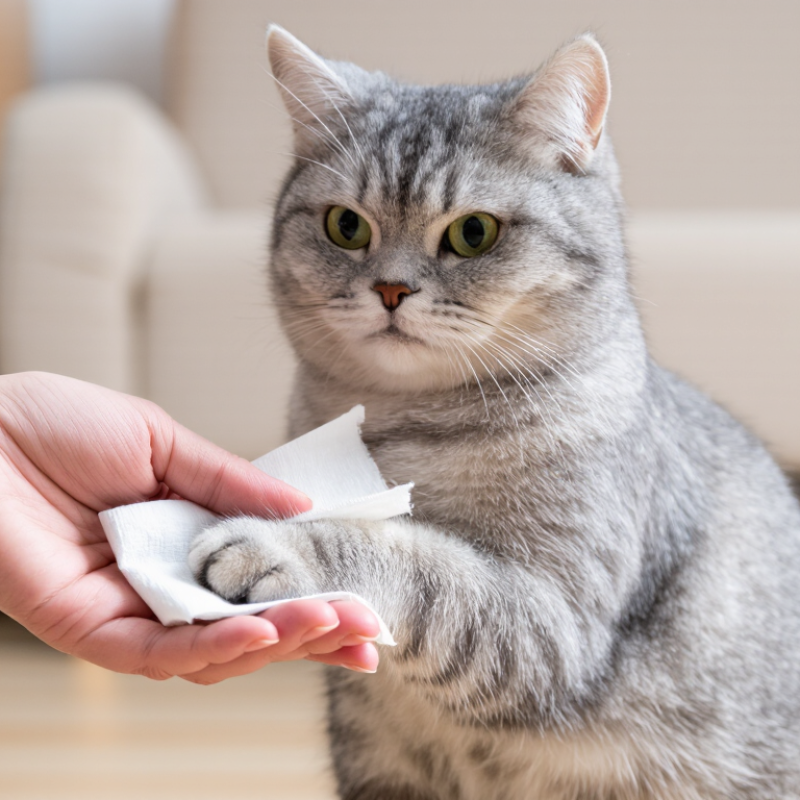
Cat antiseptic wipes are soft, pre-moistened cloths designed to clean a cat’s external skin. They usually contain an antiseptic solution that helps reduce bacteria on minor surface irritations, small scrapes, or dirty areas. The wipe also removes loose hair, discharge, and debris through gentle rubbing. Think of it as a small cleaning tool, not a complete medical treatment.
Some wipes use ingredients such as chlorhexidine or other veterinary-approved antiseptics. Formulas differ, so reading the label matters. The liquid needs enough contact with the skin to work, while the cloth lifts contaminants away. Use a fresh wipe for each area, and avoid scrubbing. Keep the solution away from the eyes, mouth, deep wounds, and inner ears unless a veterinarian directs you.
They are convenient.
A practical concern is licking. Cats groom quickly, and not every antiseptic ingredient is suitable for ingestion. Avoid products containing harsh alcohols, strong fragrances, or essential oils unless your veterinarian confirms their safety. Stop if redness, swelling, pain, or repeated licking develops. I have noticed that owners sometimes assume “antiseptic” means harmless, but that assumption needs reconsideration. Persistent odor, pus, bleeding, or slow healing requires professional assessment, because wipes may hide symptoms without treating the underlying problem.
What Are Cat Antiseptic Wipes and How Do They Work?
Cat antiseptic wipes are pre-moistened materials containing an antimicrobial solution. They help remove dirt and reduce microorganisms on superficial skin areas, minor abrasions, and localized irritation. The chart shows representative concentrations used in veterinary topical antiseptic products; concentrations are not directly comparable because each ingredient works differently and product directions should always be followed.
What Ingredients Do Cat Antiseptic Wipes Contain?
Cat antiseptic wipes are pre-moistened pads designed to clean minor skin contamination, paw dirt, and surface bacteria. Their ingredients usually include an antiseptic, a cleansing liquid, skin conditioners, and preservatives. The exact formula matters because cats often lick treated fur.
Chlorhexidine is a common active ingredient. It helps reduce many bacteria on the skin and is often used in carefully controlled veterinary care. Some wipes contain diluted povidone-iodine, which can lower microbial levels on dirty skin. Concentration is important. A stronger formula is not automatically safer or more effective.
The liquid base may include purified water, glycerin, or mild surfactants. Glycerin can reduce dryness, while gentle cleansers lift debris from between toes. Preservatives help prevent contamination inside the package. However, “natural” ingredients are not always harmless. Essential oils, strong fragrances, alcohol, and phenolic compounds may irritate cats or create risks after grooming.
Check the full label.
Avoid the eyes and mouth. Do not use a wipe on deep wounds, burns, or heavily swollen skin without veterinary advice. It is easy to assume that a soothing scent means a gentle product, but scent can hide irritation. I would also reconsider repeated daily use, especially when redness or flaking continues. A veterinarian can assess the cause and recommend an appropriate ingredient and concentration.
How Do Cat Antiseptic Wipes Work?
Cat antiseptic wipes work through two simple actions: cleaning and reducing surface microbes. The cloth first lifts dirt, dried discharge, oils, and loose debris from the fur or skin. This physical removal matters because grime can protect bacteria from the antiseptic solution.
The solution then contacts microorganisms on the skin. Depending on its ingredients, it may damage microbial membranes or interfere with their growth. Proper contact time is important. Wiping too quickly may leave the surface damp but inadequately treated. Follow the product directions carefully, and use a fresh wipe for each area.
Use gentle pressure around small scratches, irritated skin, or dirty paws. Avoid the eyes, mouth, deep wounds, and inner ears unless a veterinarian recommends otherwise. Cats often lick treated areas, so allow the skin to dry and monitor grooming. Some cats may develop redness, stinging, or swelling, even with a product labelled for pets. Stop using it if irritation appears.
Antiseptic wipes are for limited surface care. They cannot close wounds, remove embedded foreign material, or treat infections beneath the skin. A clean-looking spot may still be painful or infected. Persistent odor, pus, heat, bleeding, or worsening redness deserves veterinary attention. It is easy to mistake temporary cleanliness for healing.
When Should Cat Antiseptic Wipes Be Used?
Cat antiseptic wipes are soft, pre-moistened pads designed to clean a cat’s skin and reduce surface germs. They usually contain a mild antiseptic suitable for feline skin when used correctly. Their main purpose is simple: remove dirt, discharge, and bacteria from small, superficial areas.
When should cat antiseptic wipes be used? They can help clean a minor scrape after outdoor play, a dirty paw, or skin around a small healing wound. They may also be useful around the tail area when stool or discharge sticks to the fur. Gently wipe once, then allow the area to dry. Avoid vigorous rubbing. Cats often dislike it, understandably.
Use only products clearly made for cats. Human disinfectant wipes may contain alcohol, strong fragrances, or other irritating ingredients. Never wipe the eyes, inside the ears, mouth, or deep wounds. Do not use them on punctures, burns, heavy bleeding, or swollen skin. Those problems need veterinary assessment, not repeated home cleaning.
Watch for redness, heat, unpleasant odor, pus, increased licking, or reduced appetite. These signs can suggest infection. Stop using the wipes if the skin becomes drier or more irritated. In practice, owners sometimes clean too often, believing more care means faster healing. That is not always true. A veterinarian should advise treatment for surgical sites or wounds that do not improve within a day or two.
How Can Cat Antiseptic Wipes Be Used Safely?
Cat antiseptic wipes are soft, pre-moistened pads designed to clean a cat’s skin and coat. Common veterinary ingredients include chlorhexidine or hypochlorous acid. These ingredients reduce surface microbes. They do not sterilize tissue or replace medical treatment.
The need is widespread. The APPA 2023–2024 National Pet Owners Survey counted about 46.5 million U.S. cat-owning households. Safe handling therefore matters. Choose wipes labeled for cats and follow the stated contact time. Never apply them inside the eyes, mouth, ears, or genital area. Avoid deep wounds, burns, and infected swelling. Those problems need veterinary assessment.
Wipe gently, not repeatedly. A clean paw may need only one pass. Stop if your cat shows pain, heavy licking, redness, or swelling. Let the area dry before grooming whenever possible. Many cats dislike cold, wet materials; warming the sealed packet in your hand may reduce resistance. Do not use human disinfectant wipes, alcohol-heavy products, or essential-oil formulas. Their safety can differ sharply between species.
The CDC recommends washing hands with soap and water for at least 20 seconds after handling pets or pet-care products. Keep the packet closed and discard dried or contaminated wipes. I would not assume “antiseptic” means harmless. Even suitable products can irritate sensitive skin, and my own judgment may miss an early infection. A veterinarian should review persistent redness, odor, discharge, or repeated licking.