China Top 10 Family Furniture Manufacturers
Family Furniture is more than a matching sofa, dining table, and bed. It must work through everyday life: muddy shoes by the door, homework at the table, and years of changing needs. For buyers comparing Chinese manufacturers, the challenge is finding products that balance design, durability, comfort, and price. Claims deserve closer inspection. Ask how materials are specified, how finishes are tested, and whether product details are documented clearly.
The market’s scale makes that comparison increasingly important. Grand View Research valued the global furniture market at approximately US$766.2 billion in 2024 and projected continued growth through 2030. That figure covers furniture broadly, not Family Furniture alone, so it should not be mistaken for a category-specific forecast. Still, it signals a large, competitive market where product quality and clear communication matter. Furniture designer Charles Eames offered a useful design principle: “The details are not the details. They make the design.” Small things matter. A sturdy drawer runner or a cleanable fabric can shape daily experience more than a striking showroom photograph. This guide introduces ten Chinese family furniture manufacturers and considers their product focus, manufacturing capabilities, materials, and market presence. A neat ranking can still miss what matters to one household. Use the list as a starting point, then verify specifications, certifications, and service terms directly with each supplier.
Industry Scope and 2023 Benchmark: RMB 655.7 Billion in Furniture Revenue
China’s furniture industry recorded a benchmark revenue of RMB 655.7 billion in 2023. This figure describes a broad industry, not family furniture alone. It provides useful context for comparing manufacturers, but it should not be treated as proof that every segment grew equally. Product mix, sales channels, and regional demand can change the picture.
For buyers assessing family furniture manufacturers, the number becomes more meaningful when paired with practical checks. Look at production capacity, material specifications, quality-control records, and delivery performance. A dining table may look sturdy in a showroom, yet edge finishing and joint strength matter after years of daily use. Ask how dimensions, finishes, and packaging are checked before shipment.
Small details count.
Revenue is only one measure. Large industry totals can conceal differences between companies and product categories, and public figures may use varying definitions. That is worth remembering. A careful comparison should distinguish household furniture from office or commercial products, then consider warranty terms and after-sales support. Request current documentation where available, and compare like with like. Numbers help frame the market; they do not replace direct evaluation.
How the Top 10 Are Evaluated: Scale, Product Range, Reach, and Quality
A credible comparison of China’s leading family furniture manufacturers needs more than a large production figure. Scale should be assessed through verifiable indicators, such as factory capacity, workforce size, and consistency across product lines. Published figures can be difficult to compare, so estimates should be treated cautiously rather than presented as exact facts.
Product range matters because family homes have varied needs. A manufacturer may offer bedroom sets, dining tables, storage units, and children’s furniture, but breadth alone does not prove suitability. Look for practical details: adjustable shelves, rounded corners, durable drawer runners, and finishes that are easy to clean. Small details count. A polished catalog, however, reveals little about long-term performance.
Reach can be judged through export experience, delivery coverage, and the availability of after-sales support. Quality assessment should consider material descriptions, construction methods, sample checks, and consistency between product specifications and delivered goods. Where independent testing or customer feedback is available, it can add useful evidence, though neither source is perfect. No scorecard is flawless. These criteria help make comparisons more transparent, while leaving room to note gaps in public information and differences between product categories.
China’s Top 10 Family Furniture Manufacturers: Evaluation Criteria
A weighted framework for assessing scale, product range, reach, and quality.
Quality receives the highest weight, followed by scale and product range. These percentages are proposed evaluation weights, not company-specific scores or market statistics.
China’s Top 10 Family Furniture Manufacturers by Product Specialization
China Top 10 Family Furniture Manufacturers
China’s Top 10 Family Furniture Manufacturers by Product Specialization
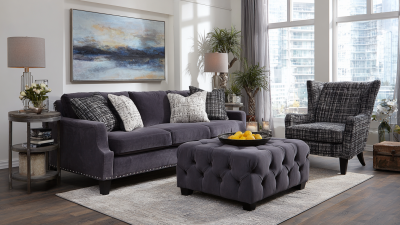
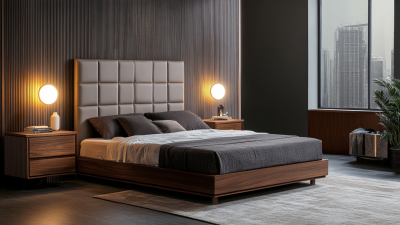
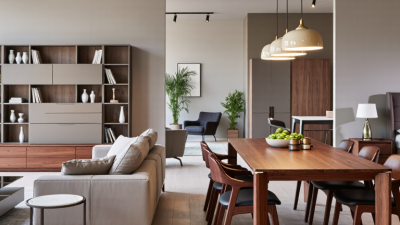
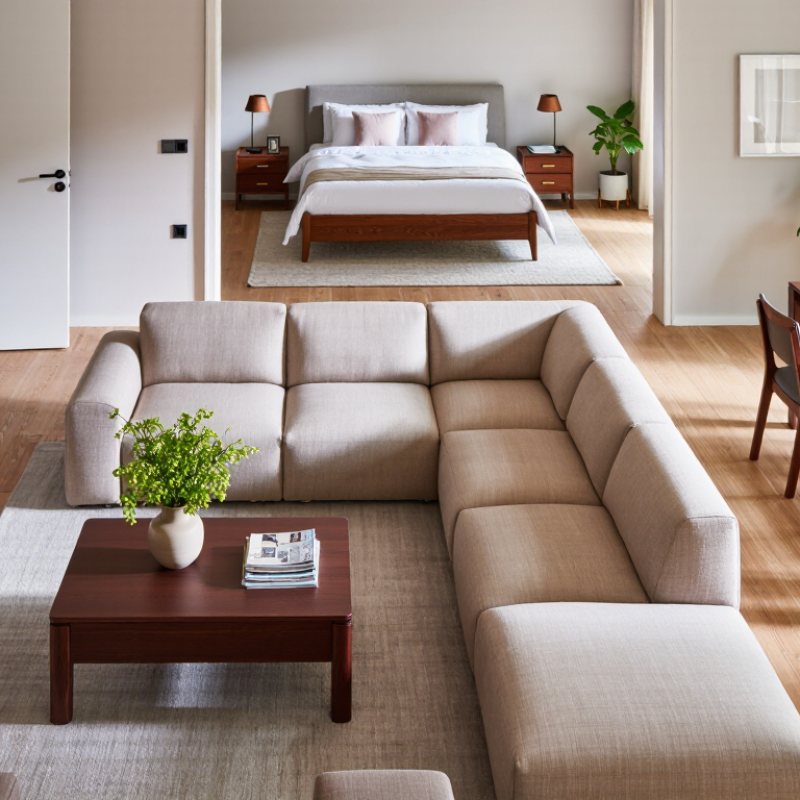
A useful top-ten comparison starts with product focus, not factory size alone. Some manufacturers specialize in solid-wood bedroom sets, where joinery, finish consistency, and drawer movement deserve close inspection. Others focus on modular wardrobes, compact dining sets, or upholstered sofas for busy family rooms. These specialties serve different needs. A family with young children may value rounded corners and wipe-clean surfaces, while a small apartment benefits from nesting tables and storage beds. Product photos help, but they cannot confirm construction quality.
Tips: Request close-up photos of joints, edges, and hardware. Ask for material specifications and sample pieces when possible. Check whether listed dimensions include handles or cushions. Small details matter.
The remaining manufacturers may concentrate on children’s beds, adjustable study furniture, expandable dining tables, or made-to-measure storage. Compare each supplier against the room’s measurements and daily routines. Ask how finishes resist scratches, how upholstery cleans, and whether replacement parts are available. A polished catalogue is not proof of durability. I would also question claims that sound unusually broad; even capable factories have limits. No ranking is perfect. Product specialization offers a practical starting point, but samples and clear specifications make the comparison more reliable.
Comparing Materials, Customization, and Smart-Home Features Across the Top 10
Across ten family-furniture manufacturers, material choices often reveal more than showroom styling. Solid wood offers repairability and visible grain, but can move with seasonal humidity. Engineered panels keep costs and dimensions steadier; edge quality and hardware matter greatly. Feel the drawer joint. A smooth veneer can still hide weak fasteners, so inspect undersides, back panels, and load ratings before comparing prices. Material labels alone are not enough.
Customization ranges from fabric and finish selections to made-to-measure storage. Ask whether a changed width affects stability, delivery time, or warranty coverage. Families with young children may value rounded corners, washable upholstery, and replaceable covers more than dozens of color options. Some manufacturers offer flexible layouts, though custom orders can be harder to return. That trade-off is easy to overlook. Request a written specification showing dimensions, finish, and included fittings.
Smart-home features vary from USB charging and built-in lighting to app-connected beds or adjustable desks. Useful? Sometimes. Check where cables run, whether controls work without an app, and how parts are serviced after several years. A motion light under a cabinet is practical at night; another screen may add little. I may be too cautious here, but connected features should not outrank sturdy joinery and stable construction. Test controls in person when possible, and confirm replacement-part availability.
Sourcing and Quality Checks: GB/T 3324-2017 and Factory Verification
When comparing China’s family furniture manufacturers, treat GB/T 3324-2017 as a useful reference for wooden furniture—not a complete purchasing checklist.
Ask the factory which product categories and test methods apply to your order, then request recent inspection records. The standard can help frame checks on appearance, dimensions, physical performance, and product inspection, but materials and construction still matter. A child’s bunk bed and a living-room cabinet do not face identical practical risks.
Verify the factory, not just its paperwork.
Walk the production line, compare material labels with purchase records, and check how components are stored. Use a moisture meter on solid-wood parts, inspect drawer joints, and look for uneven coating around corners. Select finished pieces from a normal production run, rather than relying only on a polished showroom sample. Small defects count. Ask who records corrective actions when an inspection fails; vague answers deserve follow-up. Factory visits can be staged, and a single audit cannot prove every shipment will match. Keep approved samples, test reports, and order specifications aligned, then arrange independent pre-shipment checks when the order warrants them.