Top 10 Lead Stained Glass Window Manufacturers in China
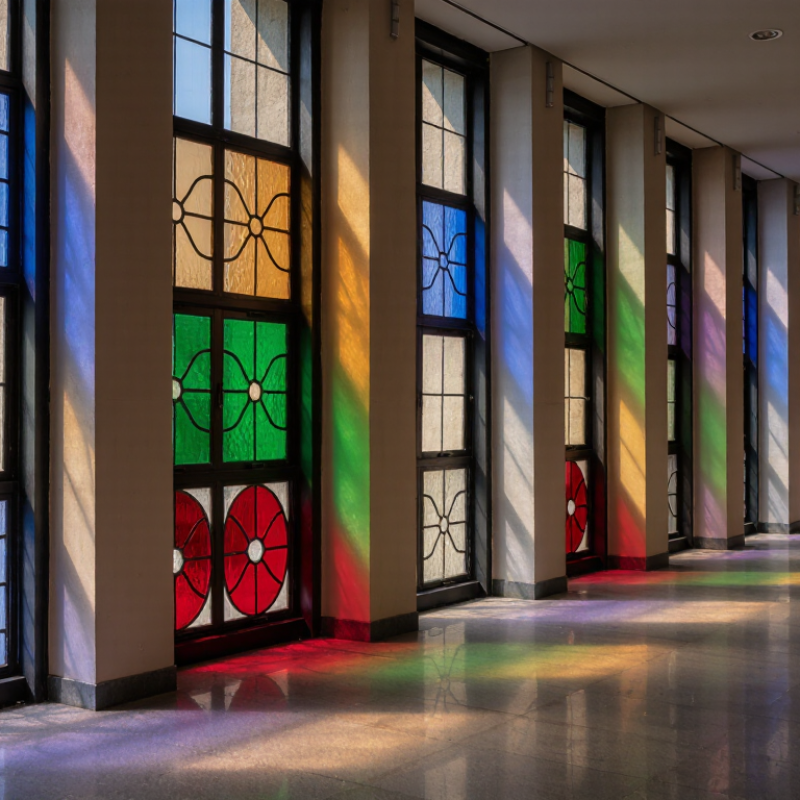
Lead Stained Glass Windows combine colored glass, carefully joined lead came, and detailed design to shape the light inside a building. Their appearance depends on more than color. Glass texture, panel proportions, framing, and installation conditions all affect the final result. A small sample may look different when sunlight passes through a full-size window. Details matter.
China has manufacturers serving a wide range of architectural and decorative projects. Their capabilities, production methods, customization options, and communication standards can vary. This guide introduces ten manufacturers for buyers seeking suppliers of leaded stained glass. It offers a starting point, not a substitute for direct evaluation. Before requesting a quotation, clarify dimensions, artwork requirements, glass selection, packing, lead times, and installation responsibilities. Ask for relevant project photographs, material details, and samples where practical. These checks help turn a broad search into a more useful comparison.
A polished catalog does not answer every question. Some production details may need follow-up, and supplier information can change over time. Buyers should confirm current capabilities and discuss how each design will perform in its intended setting. The right choice depends on the project: a restoration may call for a different approach than a new decorative feature. Comparing manufacturers on clear, consistent criteria can make the process more informed, even when no single supplier is right for every application.
Lead-Came Windows: Common 5–12 mm Came Widths and Panel Construction
Lead came windows commonly use came widths from 5 to 12 mm, although available profiles vary by workshop and project. Narrow came creates fine lines for small details and compact patterns. Wider came can support larger glass pieces and produce a stronger visual grid. The visible face width is only part of the decision; the came’s heart, glass thickness, and panel size also matter. There is no perfect width for every design. A drawing may look balanced, yet feel crowded once assembled.
A panel is built by fitting shaped glass pieces into channels, then joining intersecting came with solder. Careful fitting keeps gaps small and helps the panel sit flat. Larger panels may need reinforcing bars, especially where their size or installation conditions increase movement. Ask the maker how the panel will be supported and how the chosen came profile suits the glass. Details matter. Even experienced teams may need to adjust a pattern after a first fit.
Tips: Request a full-size layout showing came widths and glass divisions. Check that the sample reflects the finished panel, not just a small detail. If the lead lines seem heavy, pause and review the pattern before production.
Common Lead Came Widths in Stained Glass Panels
Lead came widths commonly fall within the 5–12 mm range. The chart shows illustrative reference points within that range, not manufacturer specifications or market-share data. In came construction, glass pieces are fitted into lead channels, joined at intersections, and assembled into a panel.
How Manufacturers Produce Stained Glass: Cutting, Soldering, and Cementing
Top 10 Lead Stained Glass Window Manufacturers in China
How Manufacturers Produce Stained Glass: Cutting, Soldering, and Cementing
A stained glass panel begins with a full-size pattern, where each piece is numbered before cutting. Craftspeople score colored glass with a wheeled cutter, then separate it carefully with grozing pliers. Edges need to fit the lead came closely. A small gap can weaken the panel or distort a clear line. Experienced makers check color and texture under daylight, not only workshop lamps. The difference can be subtle.
Lead cames are arranged around the glass pieces and joined at their intersections with solder. The joints should be neat, but appearance is only part of the test. Makers also check that the panel sits flat and that the came holds each piece securely. Cement is brushed beneath the lead flanges to fill small openings and stiffen the assembly. Excess cement is wiped away, then the panel is left to cure. It is easy to rush this stage; that is often where a careful-looking panel reveals flaws.
Tips: Ask how patterns are checked and how panels are inspected after cementing. Look for even joints, firm glass, and clean edges. For a large window, confirm how the maker plans to support and install its weight. A sample panel helps. It may not show every problem, but it gives you something concrete to examine.
Top 10 Chinese Manufacturers Compared by Output, Exports, and Certifications
A useful comparison of ten Chinese leaded stained-glass window manufacturers should look beyond workshop size. Ask for monthly capacity, typical order volume, and recent production lead times. These figures show whether a supplier can handle repeated panels without sacrificing hand-finished detail. Request photos of packed orders, edge work, and solder joints, not only polished installation shots. Small details matter.
Export performance needs context. A high shipment count may reflect smaller standard panels, while custom architectural windows require different packing and coordination. Review destination markets, export references, damage rates, and the supplier’s process for replacing cracked pieces. A neat ranking can still mislead. Public figures are not always comparable, and some manufacturers disclose little about their output.
Certifications should be checked by scope, issuing body, and validity date. A factory quality certificate does not automatically certify every glass product or installation method. Ask for current documents, sample inspection records, and clear material specifications, including glass thickness and lead came dimensions. Compare like with like. One practical test is a paid sample panel: inspect color consistency in daylight, solder neatness, and protective packaging. I would treat any comparison as provisional until those records and a physical sample have been reviewed.
Technical Benchmarks: ASTM C1036 Glass Types, Thickness, and Quality
For leaded stained glass, ASTM C1036 is a useful reference for the flat glass itself, not a blanket certification of the finished window. Ask which glass type and quality level the supplier is quoting, and request documentation tied to the current standard edition. “Stained glass” alone says little about surface defects, thickness tolerance, or suitability for a specific panel. A sample held against daylight can reveal ripples, bubbles, and color variation that a product sheet may not show.
Thickness affects handling, lead came fit, and the weight of each panel. Check the stated nominal thickness and allowable variation, then compare them with the came profile and the workshop’s fabrication method. Small pieces can tolerate visual variation differently from large, uninterrupted sections. Measure a delivered sample with a caliper; do not rely on appearance alone. A few millimeters matter.
Quality is also about consistency between samples and production batches. Request clear photographs, inspection criteria, and records showing how defects are assessed. ASTM C1036 does not, by itself, verify a panel’s solder joints, weather resistance, or installation performance. There is a catch. I would still inspect a physical sample before approving a large order; color matching on screen is imperfect, and sometimes the glass looks different once light passes through it.
How to Verify Suppliers: ISO 9001, Project Data, Lead Times, and Warranties
When comparing lead stained glass window manufacturers in China, verify quality systems with documents, not logos on a catalog. Request the ISO 9001 certificate and check its validity, certified site, and stated scope. Ask how inspections cover glass selection, lead came joints, soldering, and final packing. A certificate alone cannot show how carefully one workshop handles your design.
Project data reveals more. Request photos and specifications from completed windows with similar dimensions, patterns, and installation conditions. Confirm the glass thickness, panel support, packing method, and any recorded defects. Lead times should include drawing approval, material preparation, fabrication, inspection, and shipping handoff. Ask for a dated production schedule and written notice procedures for delays. Some estimates look reassuringly precise; real production can still shift, so leave room for review.
Tips: Ask for two references you can contact. Compare promised delivery dates with project records, and request a written warranty describing coverage, exclusions, and claim steps. Keep it specific. A vague promise is hard to assess later. I would also note unanswered questions in your supplier comparison sheet; small omissions can matter, and buyers sometimes overlook them when a sample looks beautiful.