Blog
What's New
Get the latest furniture trends for less at Furniture World Saskatoon
Find new and amazing products that we feature every month from the world’s finest furniture makers and the Canadian furniture industry’s cream of the crop. Get in touch with us for complete information about products slated for launching at our store.
-
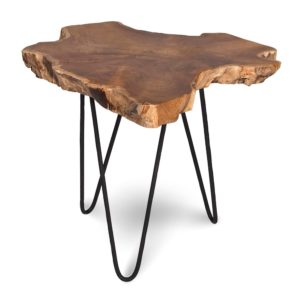
Style In Form Nesting Table Hairpin
$429.00Original price was: $429.00.$349.00Current price is: $349.00. -
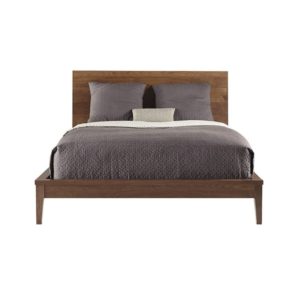
West Bros Serra King Walnut Bed
$3,499.00Original price was: $3,499.00.$2,799.00Current price is: $2,799.00. -
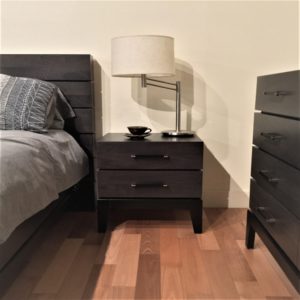
TH Definity Walnut Night Table
$1,499.00Original price was: $1,499.00.$1,199.00Current price is: $1,199.00. -
Ren-Wil Tupper Picture
$549.00Original price was: $549.00.$399.00Current price is: $399.00. -
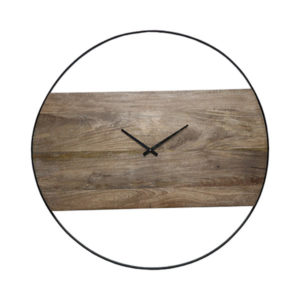
Renwil Amika Clock
$619.00Original price was: $619.00.$489.00Current price is: $489.00. -
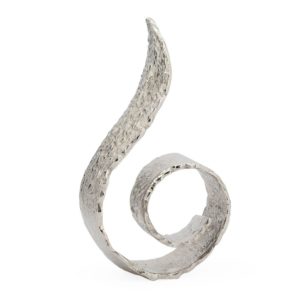
Torre & Tagus Flame Sculpture
$159.00Original price was: $159.00.$119.00Current price is: $119.00. -
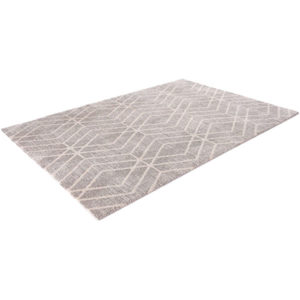
Citak 5X8 Rug Arctic Thatch
$599.00Original price was: $599.00.$449.00Current price is: $449.00.
How to Choose the Best Bedside Carpet in 2026?
Choosing the best Bedside Carpet in 2026 requires more than matching colors with a duvet. A bedroom carpet sits beside bare feet, collects dust, and absorbs repeated pressure from beds and nightstands. Grand View Research’s Carpet and Rugs Market Size, Share & Trends Analysis Report estimates the global market reached approximately USD 72.39 billion in 2023. It also projects continued growth through 2030. That expansion brings more choices, but not always better decisions.
Start with the room’s actual conditions. A thick, high-pile carpet may feel warm underfoot, yet it can trap more dust and resist easy cleaning. The U.S. Environmental Protection Agency explains that carpets can hold dust, pet dander, and other indoor particles. Therefore, bedroom users should examine vacuum access, fiber construction, and maintenance requirements. A low-pile wool blend may provide softness without creating a difficult cleaning zone. Synthetic fibers can offer stain resistance and lower initial costs. Neither option is automatically superior.
Look for independently documented performance. The Carpet and Rug Institute’s Seal of Approval program evaluates carpet-cleaning products and equipment, while its Green Label Plus program addresses carpet-related volatile organic compound emissions. These certifications do not prove that every product suits every sleeper. They provide useful evidence. Check dimensions carefully, especially beside narrow beds or opening doors. Leave enough clearance for drawers and walking paths. Small details matter.
There is no perfect choice. I have learned that comfort, safety, durability, and appearance often compete. This guide compares those factors using practical room testing, manufacturer specifications, and respected industry evidence. Your ideal Bedside Carpet may be less luxurious than expected, but far easier to live with.
Define Bedside Size and Placement with 18–24-Inch Clearance Guidance
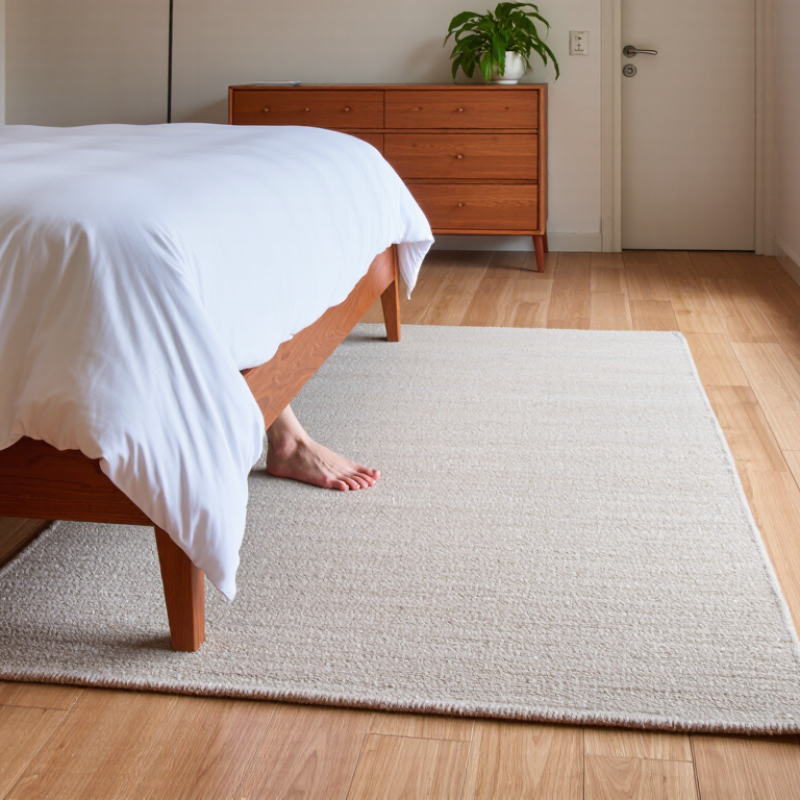
Choosing the best bedside carpet in 2026 starts with accurate measurements, not visual preference. Measure the mattress, bed frame, nightstand, and nearby walking route. Leave an 18–24-inch carpet extension beyond the mattress edge on the open side. This creates a warmer landing area for bare feet and reduces awkward stepping.
For a narrow bedroom, a long runner can work well beside the bed. Its width should cover the nightstand’s front legs and continue toward the footboard. Keep 18–24 inches of visible carpet beside the mattress whenever space allows. The rug should not block drawers, doors, vents, or charging cables. A low-pile surface is usually easier to clean and less likely to catch slippers.
Test the layout with painter’s tape before buying. I once placed a rug too close to the nightstand, and the drawer struck its edge. It looked balanced. It worked poorly. Check the bed height, floor texture, and door swing in daylight. A non-slip pad can improve stability, but it may slightly increase the carpet’s height. Leave enough clearance for walking, especially around corners and during nighttime use. If the full 18–24 inches is impossible, prioritize a flat, secure surface over perfect symmetry.
Match Fiber and Pile Height to Use with ASTM D5252 Testing
How to Choose the Best Bedside Carpet in 2026?
A bedside carpet faces repeated footsteps, slippers, dust, and occasional nightstand movement. Fiber choice should reflect this routine. Nylon often recovers well after compression, while wool offers a softer, warmer surface. Polyester can provide useful stain resistance, but its pile may flatten sooner in some constructions. These are tendencies, not guarantees. Carpet density and backing also influence performance.
Pile height matters more than many buyers expect. A low or medium pile usually allows easier vacuuming and steadier footing beside the bed. Very deep pile feels luxurious, but it can show crush marks around the bed frame. I prefer testing a sample under realistic pressure before ordering a large piece. Small details matter.
Use ASTM D5252 to compare appearance retention through controlled hexapod tumbler testing. The method simulates repeated mechanical wear and helps reveal matting, crushing, and texture change. Ask for test information based on the same fiber, pile height, and construction you plan to buy. A result from a dense loop carpet should not represent a plush cut pile.
The test is useful, but it is not a bedroom forecast. It does not fully reproduce bare feet, spilled drinks, sunlight, or furniture legs. I would not treat one laboratory result as a promise. Place sample pieces beside the bed for several days, rotate them, and inspect the pile under side lighting. The answer may be less perfect, but more honest.
Screen VOCs: CRI Green Label Plus Tests for 14 VOCs
Choosing a bedside carpet in 2026 means looking beyond softness and color. VOC emissions matter, especially beside a sleeping area. The U.S. Environmental Protection Agency reports that indoor VOC levels are often two to five times higher than outdoor levels. During certain activities, they can exceed outdoor concentrations by more than 100 times. That makes product screening practical, not fashionable.
Look for certification under the CRI Green Label Plus program. Its laboratory protocol tests carpet emissions for 14 VOCs and evaluates results against strict limits. Ask for current test documentation, not only a printed logo. The report should identify the tested construction, backing, adhesives, and manufacturing date.
Those details matter. A bedside carpet may still release odors after installation, particularly in a small room with closed windows. I would unpack it in a ventilated area first and let it air out for several days. That is not always convenient.
WHO indoor-air guidance identifies substances such as formaldehyde and benzene as health concerns, while EPA guidance recommends source control and ventilation. Use low-emission adhesives when installation requires them. Avoid placing a newly installed carpet directly beside a pillow on the first night.
I have found that “low VOC” can sound reassuring but remain too vague without measured results. Certification reduces uncertainty; it does not eliminate it. Check the underside, seams, and backing, where odors sometimes linger.
Check Flammability Against CPSC 16 CFR Part 1630 Requirements
How to Choose the Best Bedside Carpet in 2026?
A bedside carpet should feel soft, but flammability deserves equal attention. NFPA’s Home Structure Fires report estimates 346,800 home structure fires annually in the United States, based on 2017–2021 data. A loose rug near a lamp, heater, or charging cable can add unnecessary risk. It is not automatically dangerous, but its materials and placement matter.
Check whether the carpet falls within 16 CFR Part 1630. This CPSC rule addresses surface flammability for carpets and rugs. The laboratory procedure uses a methenamine tablet as an ignition source and examines the resulting charred area. Ask the seller for a current compliance statement, test report, fiber composition, backing details, and applicable product size scope. Do not rely on “fire-resistant” wording alone. That phrase may describe treatment, not verified compliance.
Keep the rug flat.
Avoid loose edges.
Synthetic fibers may melt under heat, while natural fibers can still burn. A test report does not replace careful placement beside a bed. Keep the carpet away from portable heaters, candles, and damaged power cords. I would also recheck the report when the backing or construction changes. A certificate is helpful, not perfect. The CPSC regulation is technical, and product listings often explain it poorly.
How to Choose the Best Bedside Carpet in 2026? - Check Flammability Against CPSC 16 CFR Part 1630 Requirements
| Evaluation Dimension | Recommended Specification or Evidence | Why It Matters at the Bedside | 2026 Buyer Check |
|---|---|---|---|
| Applicable U.S. flammability standard | CPSC 16 CFR Part 1630, Standard for the Surface Flammability of Carpets and Rugs. | A bedside carpet is a floor covering and may fall within the scope of the federal surface-flammability rule. | Ask for a written compliance statement that specifically identifies 16 CFR Part 1630. |
| Test method | The regulation uses a methenamine-tablet ignition procedure in a controlled test chamber. | A general “fire resistant” statement does not demonstrate compliance with the prescribed test. | Confirm that the report names the federal test method rather than only an unrelated flame test. |
| Pass/fail evidence | Request the complete laboratory report, including specimen preparation, conditioning, test results, and the final pass/fail conclusion. | A product description or material label alone cannot establish regulatory conformity. | Check the report date, tested construction, sample identification, and laboratory details. |
| Product construction | The tested carpet should match the marketed pile, backing, coatings, binding, and surface treatment. | Changing the backing, pile density, or finish can change surface-burning behavior. | Do not rely on a report for a visibly different construction or colorway unless equivalence is documented. |
| Carpet size | Choose a size that fits beside the bed without extending into the main walking path or blocking doors. | Correct placement reduces curling, sliding, and trip exposure during nighttime movement. | Measure the available floor area and maintain clear access to exits and bedside controls. |
| Pile height | A low-profile or medium-low pile is generally easier to walk across and clean than a deep shag pile. | Lower pile reduces interference with feet, mobility aids, vacuum heads, and door clearance. | Compare the actual pile height with the edge profile and the surrounding flooring. |
| Edge and corner design | Prefer flat, securely bound edges and corners that remain in contact with the floor. | Raised corners are a common trip hazard, especially in low-light bedroom conditions. | Inspect the carpet after unrolling and reject curled, loose, or poorly finished edges. |
| Slip resistance | Use a compatible, properly sized rug pad or non-slip backing approved for the floor surface. | 16 CFR Part 1630 addresses surface flammability, not complete slip, trip, or fall prevention. | Check that the pad does not create a new height difference or damage wood, vinyl, or tile flooring. |
| Backing materials | Identify the backing material and verify that it is included in the tested product construction. | Latex, PVC, rubber, felt, and textile backings may affect odor, floor compatibility, flexibility, and burning behavior. | Request material information and avoid substituting an untested backing or separate underlay. |
| Maintenance and lint control | Select a carpet with published vacuuming and spot-cleaning instructions; keep loose fibers and debris controlled. | Accumulated lint, dust, and combustible debris can increase housekeeping and fire-safety concerns. | Follow the care instructions and keep the carpet away from candles, heaters, fireplaces, and other ignition sources. |
| Electrical and heat clearance | Keep the carpet and rug pad clear of portable heaters, heating vents, hot appliances, and damaged electrical cords. | Compliance with a carpet standard does not make the product safe for direct contact with an ignition or heat source. | Maintain the clearances specified by the heater or appliance manufacturer. |
| Documentation quality | Documentation should identify the product, test standard, laboratory, test date, specimen details, and result. | Traceable records help distinguish a tested carpet from an unsupported marketing claim. | Use “documentation verified” only after reviewing the actual records; otherwise mark the item “evidence pending.” |
Important: CPSC 16 CFR Part 1630 evaluates carpet and rug surface flammability. It does not replace a separate assessment of slipping, tripping, electrical, heating, indoor-air-quality, or general household safety risks.
Verify Slip Resistance with ASTM F609 and a Certified Rug Pad
A bedside carpet should feel stable before it feels soft. I once trusted a heavy rug alone, but its edge still moved during a nighttime step. That small shift can cause hesitation, especially on smooth flooring. Check the rug’s slip resistance evidence, not just its weight or thickness.
Ask the seller for an ASTM F609 test report. ASTM F609 evaluates friction between a floor covering and footwear under defined conditions. The report should identify the tested surface, moisture level, footwear type, and test method. A passing result does not make every rug safe in every bedroom. Real conditions can differ. Bare feet, slippers, dust, and polished floors may change traction.
Choose a rug pad with clear certification and product documentation. It should match your flooring, rug size, and room conditions. Look for full-surface contact, a close fit, and no curled edges near the bed. Press the rug firmly after installation, then walk across it slowly. Try it barefoot and wearing slippers. It should stay planted.
Small details matter. Inspect it weekly during the first month. If the rug creeps, wrinkles, or feels slick, remove it and reassess the pad. I would also question vague claims such as “non-slip” without test records. Standards help, but they cannot replace careful observation in your own room.