
-
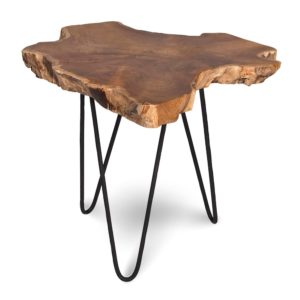
Style In Form Nesting Table Hairpin
Original price was: $429.00.$349.00Current price is: $349.00. -
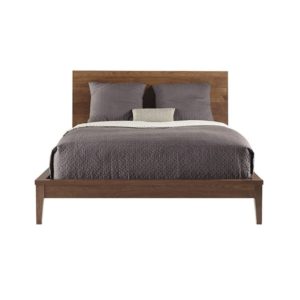
West Bros Serra King Walnut Bed
Original price was: $3,499.00.$2,799.00Current price is: $2,799.00. -
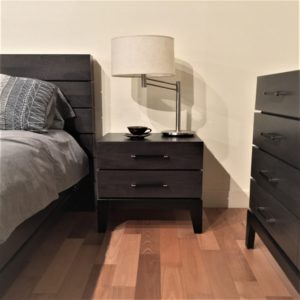
TH Definity Walnut Night Table
Original price was: $1,499.00.$1,199.00Current price is: $1,199.00. -
Ren-Wil Tupper Picture
Original price was: $549.00.$399.00Current price is: $399.00. -
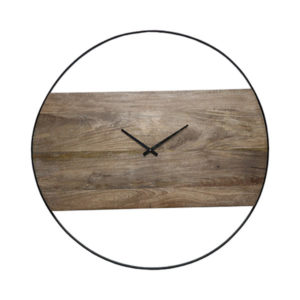
Renwil Amika Clock
Original price was: $619.00.$489.00Current price is: $489.00. -
Torre & Tagus Flame Sculpture
Original price was: $159.00.$119.00Current price is: $119.00. -
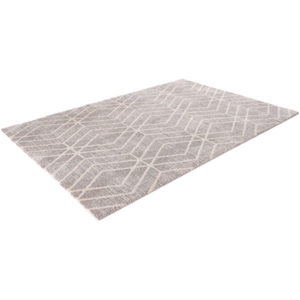
Citak 5X8 Rug Arctic Thatch
Original price was: $599.00.$449.00Current price is: $449.00.



10 Tips to Find Top Quality Furniture Suppliers Worldwide?
Finding dependable suppliers is not just a price comparison. A polished catalog can hide inconsistent finishes, unclear material specifications, or fragile packaging. Details matter.
Grand View Research estimated the global furniture market at USD 747.72 billion in 2023. Its report forecast continued growth through 2030, reflecting a large, competitive marketplace. For buyers, that scale brings choice, but also makes supplier evaluation essential. A low quotation may not include durable hardware, careful packing, or dependable after-sales support. The difference often shows up later: a wobbly chair, a chipped tabletop, or a shipment that arrives weeks behind schedule.
Design matters, but so does construction. Charles Eames, the influential furniture designer, said, “The details are not the details. They make the design.” His observation applies to sourcing, too: joinery, fabric seams, edge treatment, and finish consistency can distinguish attractive furniture from furniture built to last. This guide’s ten tips focus on evidence buyers can check, including material samples, production capacity, quality-control procedures, references, and clear delivery terms. Ask specific questions. Request proof.
No checklist removes every risk. Even a well-documented supplier may deliver a sample that differs from a full production run. Compare written specifications with physical samples, and discuss acceptable tolerances before placing a large order. Top Quality Furniture is not defined by appearance alone; it depends on materials, workmanship, reliable communication, and performance after delivery. That takes patience.

Define Your Furniture Requirements and Supplier Criteria
Before contacting suppliers, turn “good quality” into a measurable brief. List product types, dimensions, materials, finish, load needs, target price, order volume, and delivery window. A dining chair’s seat height and a cabinet’s humidity tolerance matter more than a vague style reference. Mark each requirement as essential or flexible. This keeps attractive samples from distracting the team.
Tip: Build a one-page scorecard. Compare sample consistency, production capacity, quality checks, packaging, lead time, communication, and after-sales support. Grand View Research estimated the global furniture market at USD 765 billion in 2023 (Furniture Market Size, Share & Trends Analysis Report, 2024). That scale brings variety, but market size cannot prove a supplier is reliable. Ask for dated inspection records, material specifications, and a sample made to your exact drawing. Small detail. Confirm who approves changes and how defects are recorded.
Set thresholds before requesting quotations: acceptable color variation, moisture range, carton strength, and defect allowance. Request a pilot order when possible, then inspect it using the same lighting and measurements as your receiving team. Keep criteria realistic; a polished prototype can hide inconsistent production. Some requirements may need revision after the first shipment. That is useful evidence, not failure.
10 Tips to Find Top Quality Furniture Suppliers Worldwide? - Define Your Furniture Requirements and Supplier Criteria
Use this planning checklist to define product needs and compare potential suppliers. Adjust target values to suit the furniture type, destination market, budget, and applicable regulations.
| # | Tip | Requirement to Define | Suggested Evaluation Criteria | Evidence to Request |
|---|---|---|---|---|
| 1 | Specify the furniture category and use | Identify whether the products are for residential, office, hospitality, educational, or outdoor use, and describe the expected frequency of use. | Confirm that the supplier regularly manufactures the relevant product type and can explain its intended-use limits. | Product specifications, intended-use guidance, and examples of comparable product types. |
| 2 | Set dimensions and tolerances | List finished dimensions, allowable dimensional variation, weight limits, and any required clearances or installation constraints. | Provide dimensioned drawings; for an initial review, consider a tolerance such as ±5 mm where the design and manufacturing process permit it. | Dimensioned drawings, measurement points, and a sample inspection record. |
| 3 | Define materials and construction | Specify wood or panel type, metal grade, upholstery composition, foam, hardware, joinery, and acceptable material substitutions. | Require written material specifications and prior approval for substitutions; check that construction suits the product’s intended load and use. | Bill of materials, material data sheets, construction details, and substitution policy. |
| 4 | Set finish and appearance expectations | Record color references, sheen, texture, edge treatment, stitching, grain matching, and acceptable visual variation. | Approve a production sample or signed reference sample before bulk manufacture, and define how visible defects will be assessed. | Finish samples, color references, care instructions, and a written appearance standard. |
| 5 | Match durability to the application | Identify expected load, usage intensity, cleaning routine, and exposure to moisture, sunlight, or temperature changes. | Check relevant test methods and acceptance levels for the product and destination market; avoid comparing test results from different methods as if they were equivalent. | Test reports, care and maintenance guidance, and product-specific load or durability information. |
| 6 | Confirm safety and regulatory needs | List destination-market requirements for chemical content, fire performance, labeling, stability, and packaging, where applicable. | Verify that documents apply to the exact product, materials, and market; confirm responsibility for updates and compliance costs. | Applicable declarations, laboratory reports, material disclosures, and labeling details. |
| 7 | Set order quantities and production capacity | Define trial quantity, expected repeat volume, product mix, seasonal peaks, and acceptable lead-time range. | Compare the supplier’s stated minimum order quantity and capacity with the purchasing plan; ask how capacity is allocated during peak periods. | Written quotation, production schedule, capacity overview, and order-change terms. |
| 8 | Agree on quality controls and defect handling | Define inspection stages, critical defects, acceptable cosmetic variation, packing checks, and the process for replacement or repair. | Set inspection criteria before production and agree on who pays for rework, replacement, or return freight when defects are confirmed. | Quality-control checklist, inspection reports, corrective-action process, and warranty terms. |
| 9 | Plan packaging and international shipping | Specify carton or crate requirements, protection for corners and finishes, package labeling, shipping method, and delivery location. | Review packaging dimensions and gross weight; confirm that the packing method protects the product during handling and suits the chosen freight route. | Packing specification, carton measurements, packing photos, and shipping terms in the quotation. |
| 10 | Compare total cost and communication readiness | Include product price, tooling, samples, packaging, freight, duties, payment terms, and expected after-sales support. | Compare like-for-like quotations and confirm response times, named points of contact, escalation steps, and payment milestones. | Itemized quotation, payment schedule, sample terms, service process, and written delivery commitments. |
Related Posts
-

How to Choose Room Furniture for Your Home?
-

Why Choose Home to Home Furniture for Global Buyers?
-

Top 10 Quality Furniture Manufacturers for Global Buyers
-

2026 Best Crafted Furniture Options for Global Buyers?
-

Why Choosing the Right Family Furniture is Essential for a Cozy Home
-

Top 10 Quality Furniture Suppliers for Global Buyers