Top 10 Facial Analysis Machines for Global Buyers
Choosing the right Facial Analysis Machine can be difficult for global buyers. Product brochures often highlight impressive images, advanced sensors, and artificial intelligence. Yet practical performance matters more than polished marketing language. A reliable machine should produce consistent results under different lighting conditions, skin tones, and operator habits.
This guide examines ten leading facial analysis machines for international purchasing decisions. It considers imaging accuracy, software usability, maintenance needs, training support, and data security. Buyers should also review warranty terms, calibration procedures, language options, and after-sales service. In a busy skincare clinic, a clear report may save several minutes during every consultation. Small delays can become expensive over thousands of appointments.
Independent testing, professional feedback, and transparent technical documentation deserve close attention. Some devices claim medical-level precision without clearly explaining their validation process. That should raise questions. A machine supporting cosmetic consultations is not automatically a diagnostic device. Responsible buyers must understand its intended use and follow applicable regional requirements.
Real-world evaluation can reveal uncomfortable details. A compact unit may be easier to install but harder to repair. A cheaper model may lack reliable software updates. Even highly rated equipment can perform poorly when staff receive limited training. No product is perfect. The strongest choice depends on workflow, budget, client expectations, and local compliance responsibilities. This comparison offers a practical starting point, while encouraging buyers to request demonstrations, compare sample reports, and test usability before signing a purchase agreement.
Facial Analysis Technology and Its Role in Modern Skin Assessment
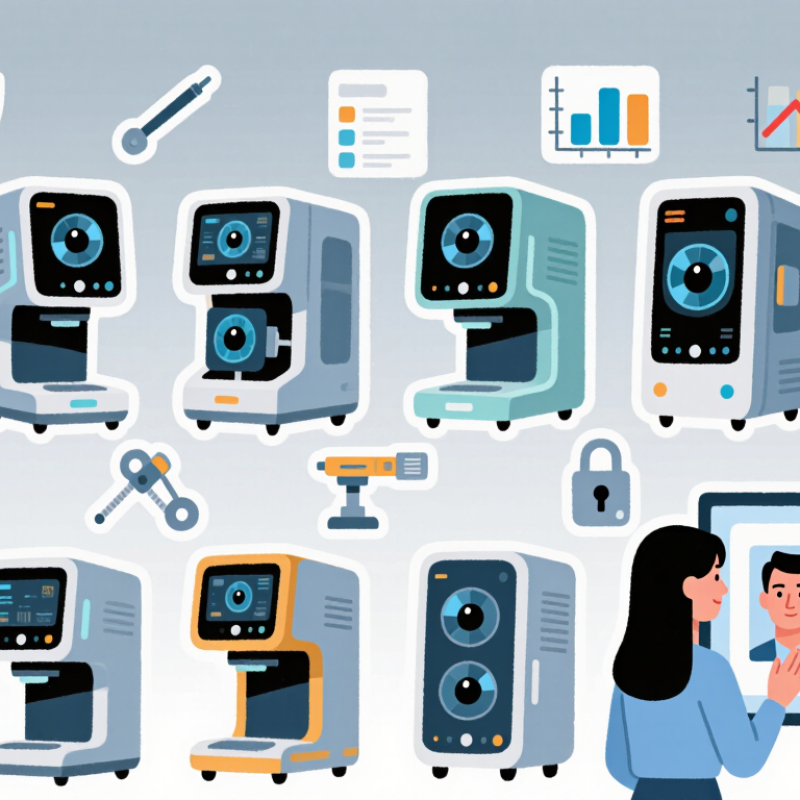
Facial analysis technology has changed how skin assessments begin. In a modern clinic, a trained professional can capture facial images under controlled lighting within seconds. The system may examine pores, redness, pigmentation, fine lines, oiliness, and uneven texture. These visual details help create a clearer starting point for consultation. They also make progress easier to document between visits.
For global buyers, a reliable facial analysis machine should offer consistent imaging, simple operation, and clear reporting. Polarized light can reduce surface glare and reveal subtle color changes. Moisture and oil sensors may add useful measurements, especially when skin feels tight or unusually shiny. However, software estimates are not medical diagnoses. A qualified professional must compare the report with the client’s history, current products, and visible condition. Numbers alone can mislead.
I have found repeatability more valuable than impressive graphics. The same client should receive comparable images under similar lighting and positioning. Calibration matters. Staff training matters more than many buyers expect. Different skin tones, facial movement, and room temperature can affect results. Privacy safeguards are also essential, including informed consent and secure data handling. The screen can look precise. It is not perfect. A responsible assessment leaves room for professional judgment, client feedback, and further observation.
Top 10 Facial Analysis Machines for Global Buyers
Top 10 Facial Analysis Machines for Global Buyers
The global facial analysis machine market is expanding with professional skincare demand. Grand View Research reported that the broader facial recognition market reached about USD 5.01 billion in 2022. It also projected a 14.9% compound annual growth rate through 2030. This signals strong investment, but buyers should avoid confusing market growth with measurement accuracy.
A practical top-ten comparison should examine imaging depth, lighting control, software reporting, and calibration records. Look for systems that capture pores, pigmentation, wrinkles, redness, and hydration under repeatable conditions. A clear report should show raw images, scoring methods, and test dates. Easy operation matters too. Staff may need training within one working day. Independent validation is valuable, especially when results influence treatment planning.
Privacy deserves equal attention. The International Organization for Standardization and regional data authorities stress controlled handling of biometric and facial information. Buyers should confirm encryption, access permissions, retention periods, and local consent requirements. Some machines produce attractive color maps but offer weak clinical evidence. That is a warning sign. No score is perfect. Skin tone, room lighting, cosmetics, and camera distance can alter results. Global purchasers should request sample reports, service response times, warranty terms, and language support before ordering. A ranking can mislead. Real-world testing remains necessary.
Regional Compliance, Certifications, and Supplier Considerations
Top 10 Facial Analysis Machines for Global Buyers: Regional Compliance, Certifications, and Supplier Considerations
Facial analysis machines now support skin assessment, imaging, and personalized consultation. Grand View Research valued the global facial recognition market at USD 5.01 billion in 2022, with strong projected growth through 2030. That growth increases compliance pressure. Buyers must distinguish wellness equipment from medical devices. Intended use changes the legal pathway.
In the European Union, medical claims may trigger Medical Device Regulation requirements, clinical evidence, technical files, and CE marking. Personal images also require GDPR controls, including clear consent, limited retention, and secure processing. In the United States, classification depends on claims and risk. Buyers should check applicable FDA pathways, electrical safety testing, and cybersecurity documentation. Other regions may require local registration, importer records, or language-specific labeling. ISO 13485 certification can indicate a mature quality system, but it does not replace market approval. It is not a magic passport.
Tips: Request a recent certificate, declaration of conformity, software version, and sample test report. Ask where images are stored. Confirm whether processing occurs locally or in the cloud. Suppliers should explain calibration, operator training, warranty response, and update control. NIST’s AI Risk Management Framework recommends documenting validity, transparency, privacy, and ongoing monitoring. Buyers should test several skin tones and lighting conditions before purchase. A polished demo can hide weak performance. I would also require independent verification, because supplier claims are not evidence. Procurement teams should record every assumption before signing.
Pricing, Maintenance, and Buyer Evaluation Criteria
Top 10 Facial Analysis Machines for Global Buyers
Pricing and maintenance often reveal more than attractive product demonstrations. Entry-level facial analysis machines may cost $1,000–$3,000. Professional systems can exceed $20,000. Buyers should compare software fees, delivery costs, training, and replacement parts. A low purchase price may hide expensive annual subscriptions. Ask for a complete three-year ownership estimate.
Tips: Request a live demonstration using different skin tones and lighting conditions. Check image consistency after repeated scans. Confirm calibration procedures, warranty coverage, response times, and technician availability. Printed manuals matter when internet access fails. Small details matter.
Maintenance should include lens cleaning, software updates, calibration checks, and secure data handling. A clinic may need weekly cleaning and monthly performance reviews. Beauty schools may require simpler controls and stronger training support. Global buyers should verify voltage compatibility and language options before ordering. They should also request sample reports, not only promotional images.
Buyer evaluation criteria should match daily workflow. Can staff complete a scan in five minutes? Are results understandable to clients? Does the system separate measured observations from cosmetic recommendations? These questions protect professional credibility. I would not trust an impressive accuracy claim without testing repeatability. Even experienced teams can overlook lighting differences. Independent feedback from current users is useful, although it is never perfectly neutral. Reliability grows through documented testing, clear service terms, and realistic expectations.
Top 10 Facial Analysis Machines for Global Buyers
Indicative purchase pricing, annual maintenance cost, and buyer evaluation score for professional facial analysis equipment.
Higher scores reflect stronger imaging capability, software usability, measurement repeatability, training support, and global service practicality. Prices and maintenance costs are typical professional-market estimates in USD and may vary by configuration, region, taxes, shipping, calibration, and service coverage.