Blog
What's New
Get the latest furniture trends for less at Furniture World Saskatoon
Find new and amazing products that we feature every month from the world’s finest furniture makers and the Canadian furniture industry’s cream of the crop. Get in touch with us for complete information about products slated for launching at our store.
-
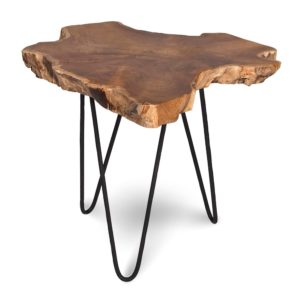
Style In Form Nesting Table Hairpin
$429.00Original price was: $429.00.$349.00Current price is: $349.00. -
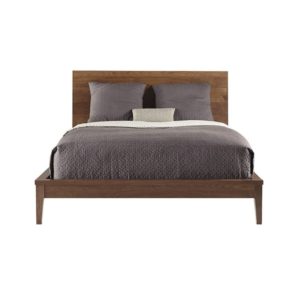
West Bros Serra King Walnut Bed
$3,499.00Original price was: $3,499.00.$2,799.00Current price is: $2,799.00. -
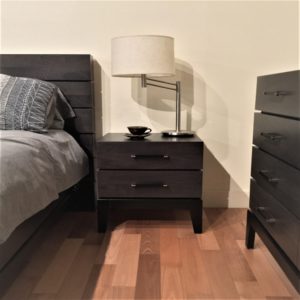
TH Definity Walnut Night Table
$1,499.00Original price was: $1,499.00.$1,199.00Current price is: $1,199.00. -
Ren-Wil Tupper Picture
$549.00Original price was: $549.00.$399.00Current price is: $399.00. -
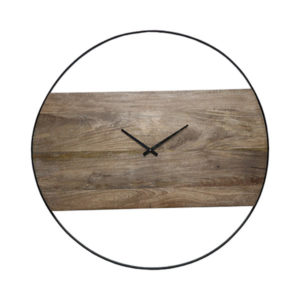
Renwil Amika Clock
$619.00Original price was: $619.00.$489.00Current price is: $489.00. -
Torre & Tagus Flame Sculpture
$159.00Original price was: $159.00.$119.00Current price is: $119.00. -
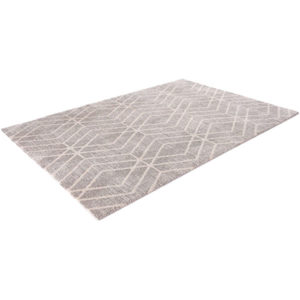
Citak 5X8 Rug Arctic Thatch
$599.00Original price was: $599.00.$449.00Current price is: $449.00.
Why Choose Crafted Furniture for Global Sourcing?
Global sourcing is changing, but the value of skilled making remains clear. Crafted Furniture brings human judgment into every visible detail, from hand-shaped edges to carefully matched wood grain. It can give hospitality projects, retailers, and residential brands a stronger identity than anonymous mass production. The difference is often felt before it is explained.
Furniture designer Wendell Castle once said, “I have always been interested in the idea of making furniture that is also sculpture.” His words reflect why crafted pieces attract international buyers. They combine practical use with cultural expression. A carved chair from Indonesia, a turned oak table from Poland, or a woven cabinet from Vietnam can carry regional knowledge into a global market. Yet beauty alone is not enough. Buyers should examine kiln-drying records, material origins, factory conditions, finishing samples, packaging tests, and production capacity. Small details matter.
Real sourcing experience also reveals uncomfortable limits. Handmade production may require longer lead times, higher inspection costs, and clearer communication. Samples can look excellent while later batches vary. That risk deserves attention. Supplier visits, independent quality checks, and written specifications can reduce surprises. Responsible sourcing should also respect legal labor standards, environmental requirements, and intellectual property rights. Crafted Furniture is not automatically ethical or durable. It becomes more trustworthy when craftsmanship is supported by traceability, consistent testing, and accountable partnerships. The strongest global programs leave room for human character, without sacrificing safety, reliability, or commercial discipline.
What Crafted Furniture Means in Global Sourcing
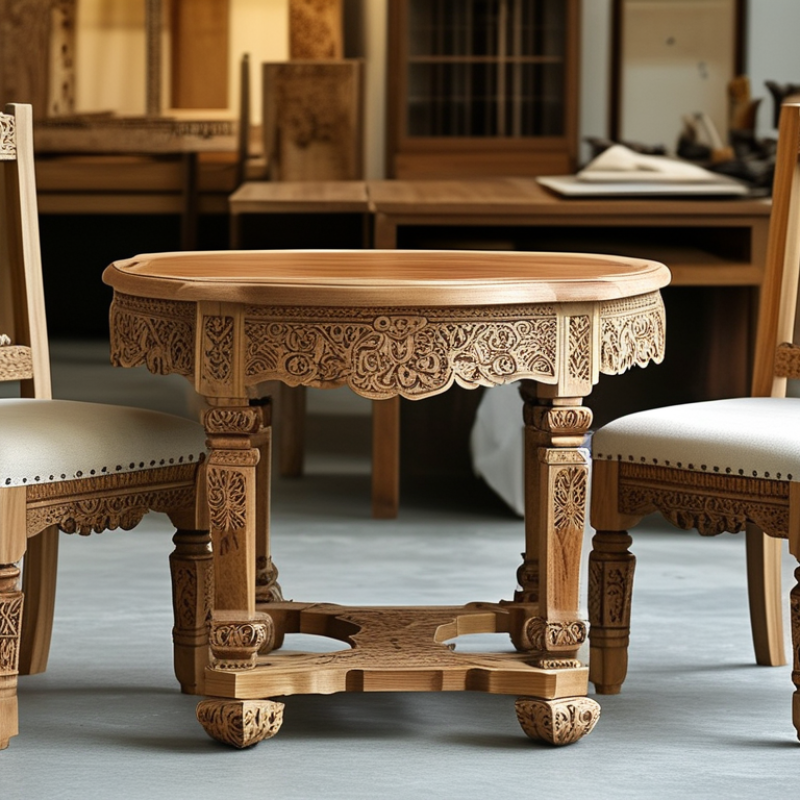
Crafted furniture in global sourcing means more than a handmade appearance. It describes products shaped by skilled work, controlled materials, and visible production decisions. A carved edge, tight joint, or hand-finished surface can show this difference. However, craftsmanship without traceability is only decoration.
Material evidence matters. The Food and Agriculture Organization’s Global Forest Resources Assessment 2020 reports that 420 million hectares of forest disappeared between 1990 and 2020. Responsible buyers should request legal origin documents, species information, and chain-of-custody records for timber. The United Nations Environment Programme’s Global Resources Outlook 2024 also states that global resource extraction could rise by 60% by 2060. Crafted sourcing should therefore support repairable designs, replaceable parts, and longer product use.
Supplier evaluation needs practical proof. Review workshop capacity, moisture-control procedures, finishing safety, packaging tests, and worker training records. Ask for a sample before approving a large order. Inspect the joints, not only the photographs. The World Bank’s Logistics Performance Index 2023 shows that shipment reliability remains uneven across markets, so lead times need realistic buffers. This is where sourcing experience matters. A beautifully made chair can still fail if its finish changes during humid transit. I have seen specifications become too ambitious. Smaller details may deserve more attention than dramatic styling. Crafted furniture is a measurable sourcing approach, combining human skill with documented quality, responsible materials, and dependable delivery.
How Crafted Furniture Is Designed and Manufactured
Why Choose Crafted Furniture for Global Sourcing?
Crafted furniture begins with a clear understanding of use, space, and shipping conditions. Designers study room dimensions, daily movement, and the weight a table or cabinet must support. They combine hand sketches with digital drawings to test proportions before production begins. A useful design must look balanced and remain practical.
Material selection requires more than choosing attractive wood. Experienced makers check moisture levels, grain direction, density, and surface stability. These details help reduce warping during international transport. A prototype reveals problems early. The first version is rarely perfect. Sometimes a drawer feels too tight, or a chair edge needs a softer curve.
Manufacturing then combines controlled machinery with skilled handwork. CNC cutting can maintain accurate dimensions, while craftspeople refine joints, edges, and finishes. Each component should be inspected before assembly. Small checks matter: screw alignment, smooth runners, level legs, and consistent coating thickness. A slight variation in natural grain is acceptable, but structural weakness is not. Quality records, material samples, and final inspections create a more reliable sourcing process. The work may take longer than expected, especially when a design needs revision, but that pause can prevent costly defects later.
Why Choose Crafted Furniture for Global Sourcing? - How Crafted Furniture Is Designed and Manufactured
| Manufacturing Stage | Design and Production Practice | Typical Technical Data | Global Sourcing Value |
|---|---|---|---|
| 1. Design Brief | The product is defined by its intended use, dimensions, target market, materials, budget, packaging needs, and required performance. | Common design documents include 2D drawings, 3D models, material specifications, tolerance requirements, and an approved finish sample. | Clear specifications reduce quotation differences, sampling errors, and costly changes after production begins. |
| 2. Material Selection | Crafted furniture may combine solid wood, wood-based panels, natural fibers, metal, glass, stone, leather, or fabric according to structural and visual requirements. | Indoor solid wood is commonly conditioned to approximately 8%–12% moisture content, depending on climate and end-use conditions. | Material planning helps buyers compare durability, weight, cost, sustainability documentation, and suitability for the destination climate. |
| 3. Wood Preparation | Wood is inspected, kiln-dried when required, sorted for grade, and acclimatized before machining and assembly. | Moisture meters, visual grading, defect inspection, and batch records are commonly used to control material consistency. | Proper preparation lowers the risk of warping, splitting, open joints, and dimensional movement during international transport. |
| 4. Precision Machining | Components are cut, drilled, shaped, turned, carved, or routed manually and/or with computer-controlled equipment. | Production drawings normally specify part dimensions, drilling locations, edge profiles, and permitted tolerances for critical joints. | Combining skilled handwork with repeatable machining supports distinctive details while maintaining batch consistency. |
| 5. Joinery and Assembly | Frames may use mortise-and-tenon, dowels, finger joints, screws, bolts, brackets, or other engineered connections selected for the load and design. | Structural joints are checked for alignment, gap control, stability, and smooth operation before finishing. | Appropriate joinery improves service life and allows buyers to select products for residential, hospitality, retail, or contract applications. |
| 6. Surface Finishing | Surfaces may be sanded, stained, painted, waxed, oiled, lacquered, or coated with water-based or solvent-based systems. | A controlled finish process includes surface preparation, coating application, drying or curing, color approval, and final inspection. | Approved color panels and gloss expectations help prevent visible variation between samples and production batches. |
| 7. Upholstery and Soft Components | Upholstered products are built from a frame, suspension or support layer, foam or filling, textile or leather cover, and finishing details. | Specifications may include foam density, fabric composition, abrasion performance, seam construction, removable-cover design, and fire-safety requirements. | Detailed soft-component specifications support compliance with different market requirements and reduce quality disputes. |
| 8. Prototype Development | A prototype or pre-production sample is made to verify proportions, comfort, function, material appearance, assembly, and packaging dimensions. | The approved sample becomes the physical reference for mass production and inspection. | Sampling identifies design and logistics problems before a larger purchase order is released. |
| 9. Quality Control | Quality checks cover dimensions, materials, color, finish, structural stability, hardware, moving parts, odor, workmanship, and carton condition. | Inspection plans commonly include first-piece approval, in-process checks, final random inspection, and photo or measurement records. | Documented inspection criteria create an objective basis for acceptance, corrective action, and supplier performance reviews. |
| 10. Packaging Engineering | Furniture is protected with surface wrapping, corner protection, cushioning, inner supports, and a suitably strong outer carton or crate. | Packaging is designed around product weight, fragility, stackability, drop risk, container utilization, and unpacking requirements. | Efficient packaging can reduce transit damage, dimensional-weight charges, warehouse volume, and total landed cost. |
| 11. Export Readiness | The shipment is prepared with product descriptions, packing lists, commercial invoices, carton markings, and any required material or treatment documents. | Solid-wood packaging may require an applicable heat-treatment mark under international plant-health rules, depending on the shipment and destination. | Accurate documentation helps prevent customs delays and supports smoother multimodal transportation. |
| 12. Typical Production Planning | The schedule normally includes material purchasing, sampling, production, finishing, inspection, packaging, and booking of international transport. | Simple repeat items may require several weeks; customized or heavily handcrafted collections generally require additional sampling and production time. | Early approval of drawings, samples, finishes, and packaging improves delivery predictability for global buyers. |
Note: Technical values and planning ranges are typical industry reference points. Final specifications depend on product design, material selection, destination regulations, and the approved quality standard.
Key Benefits of Choosing Crafted Furniture Internationally
Crafted furniture brings character to international sourcing. Each table, chair, or cabinet reflects human skill, material knowledge, and regional techniques. In my sourcing experience, small details often create the strongest impression. A hand-finished edge feels different from a uniform factory surface. Customers notice that difference.
International buyers can gain flexible customization, stronger material stories, and more distinctive product collections. Skilled workshops may adjust dimensions, finishes, upholstery, and packaging for different markets. They can also support smaller production runs, which helps reduce excess inventory. However, crafted does not mean flawless. Wood may show natural variation, and handmade finishes can differ slightly. Clear specifications, approved samples, and regular quality checks remain essential. I have learned this the hard way. Beautiful workmanship still needs reliable production planning.
Tips: Request material samples before placing an order. Confirm moisture standards, measurements, finish expectations, and protective packaging. Ask for production photos and an inspection report. Build extra time into international shipping plans. Communication can fail quietly, especially across languages and time zones. Simple drawings help. Written details protect both sides. A trusted sourcing process should value craftsmanship without ignoring consistency, documentation, or delivery performance.
Quality, Materials, and Customization Considerations
Why Choose Crafted Furniture for Global Sourcing?
Quality begins with what buyers can inspect, not what suppliers promise. In my sourcing experience, a stable table starts with properly dried timber. A moisture meter can reveal risks before production begins. Check for clean joinery, even gaps, smooth edges, and secure hardware. Open drawers repeatedly. Small details matter. These simple tests often expose weaknesses hidden in polished photographs.
Material selection also affects shipping, maintenance, and long-term value. Solid wood offers character, but it may expand or contract in changing climates. Veneer can provide better stability when applied correctly. Ask for material samples, finish formulas, and documentation showing responsible sourcing. Do not rely on vague descriptions. A written specification should identify wood type, thickness, coating, hardware, and packaging requirements.
Customization becomes practical when measurements are precise. Provide drawings with tolerances, not only inspirational images. Request a sample corner, finish board, or full prototype before placing a large order. Crafted work may show slight color or grain variation, and that is not always a defect. However, inconsistent dimensions can create installation problems. I have learned this the hard way. A beautiful sample can still fail production if the instructions are unclear. Confirm inspection points, delivery dates, carton protection, and replacement procedures in writing. Measure twice.
Why Choose Crafted Furniture for Global Sourcing?
Quality, material selection, and customization should be evaluated together. A useful objective benchmark is formaldehyde emission compliance for composite wood panels under the U.S. EPA TSCA Title VI standard.
Lower emission limits indicate stricter requirements for material quality and indoor-air safety. When sourcing customized furniture, buyers should confirm the panel type, request compliance documentation, and specify finishes, dimensions, hardware, and joinery requirements before production.
Source: U.S. Environmental Protection Agency, TSCA Title VI Formaldehyde Emission Standards for Composite Wood Products. EPA reference
How to Evaluate Crafted Furniture Suppliers and Costs
Why Choose Crafted Furniture for Global Sourcing?
How to Evaluate Crafted Furniture Suppliers and Costs
A reliable supplier should show more than attractive photographs. Ask for workshop videos, material records, production capacity, and recent quality reports. During a factory visit, inspect timber moisture, joint strength, sanding quality, and finishing consistency. Small details matter. A loose drawer today may become a costly complaint later.
Request a physical sample before approving bulk production. Compare its dimensions, weight, color, hardware, and packaging with the agreed specification. Check whether the supplier can repeat the same result across several units. I once focused too heavily on craftsmanship and missed weak export packaging. The furniture looked excellent, but damaged corners increased the real cost.
Supplier pricing should include materials, labor, finishing, packaging, inland transport, freight, duties, inspection, and possible rework. A low quotation may exclude essential services or reflect unstable material quality. Ask how prices change when timber costs rise. Review payment terms, lead times, replacement policies, and product documentation. Confirm that materials and finishes meet the destination market’s safety requirements. Independent inspections can support confidence, but they cannot replace clear specifications. Leave room for mistakes. Craft production is detailed, and perfect consistency is difficult without careful controls.
Related Posts
-
7 Essential Tips for Choosing the Best Residential Furniture for Your Global Sourcing Needs
-
2026 Best Crafted Furniture Options for Global Buyers?
-

How to Choose Room Furniture for Your Home?
-
Top 10 Furniture Manufacturers in China at the 137th Canton Fair
-

Unmatched Quality in Home To Home Furniture Crafted in China for a Global Market
-
Unmatched Quality in Best Affordable Living Room Furniture Crafted by Trusted Chinese Manufacturers