What is Wood Plastic Composites Market and Its Benefits?
The Wood Plastic Composites Market is rapidly evolving. This sector integrates wood fibers and plastic to create versatile, sustainable products. According to a recent market report by Smithers, the global wood plastic composites market is expected to reach $10.4 billion by 2026, with a compound annual growth rate (CAGR) of 12%.
These composites offer numerous benefits. They are resistant to rot and insects, making them durable alternatives to traditional wood. In addition, they require less maintenance and can be molded into various shapes. Despite these advantages, there are concerns regarding their environmental impact. The production process often involves the use of non-renewable resources and may generate waste.
Industry experts highlight the potential for innovation within the Wood Plastic Composites Market. Emerging technologies could enhance product performance and sustainability. However, it's crucial for manufacturers to balance innovation with environmental responsibility. Addressing these challenges will be vital for the future growth of the market and its acceptance by consumers.
Understanding Wood Plastic Composites: Definition and Composition
Wood Plastic Composites (WPCs) represent a blend of wood fibers and plastic materials. This combination results in a product that exhibits the warm aesthetic of wood while providing the durability of plastic. The global demand for WPCs is projected to grow swiftly, with estimates suggesting a value increase to over $10 billion by 2027, according to a recent industry report. Such growth signifies not only a shift in consumer preferences but also highlights the material's versatility across applications, from decking to furniture.
WPCs typically consist of recycled wood fibers and thermoplastics, like polypropylene or polyethylene. This composite structure enhances durability, making it resistant to rot and pests—common issues faced with traditional wood. For example, research indicates that WPC decks can last up to 25 years with minimal maintenance. While these benefits are significant, they are not without challenges. The production process can lead to variable quality, with some products lacking the expected performance or aesthetic appeal. Some manufacturers still grapple with issues related to processing consistency and sustainable sourcing of raw materials.
Despite these concerns, WPCs are increasingly favored for their eco-friendly approach. They often utilize recycled materials, contributing to waste reduction. However, it’s essential to recognize the ongoing debate regarding their long-term environmental impact. While WPCs can reduce deforestation pressures, one must consider whether the plastic component truly aligns with sustainability goals. Balancing performance with ecological responsibility remains a critical area for further research and innovation in this growing market.
Key Benefits of Using Wood Plastic Composites in Various Industries
Wood Plastic Composites (WPC) have become crucial in several industries, delivering numerous benefits. These innovative materials combine wood fibers with plastic. This mix results in enhanced durability and resistance to decay, unlike traditional wood.
One notable advantage of using WPC is its low maintenance requirement. Unlike wood, WPC does not need regular staining or sealing. This feature can reduce costs for homeowners and businesses. Reports suggest that manufacturers save up to 30% on maintenance costs when switching to WPC. The material is also lightweight, making it easier to handle during installation.
WPC is exceptionally versatile. It finds applications in decking, fencing, and furniture. The global WPC market was valued at approximately USD 10.5 billion in 2023, indicating a robust demand. Industries appreciate WPC's resistance to moisture and UV rays. However, the production process requires careful management to minimize environmental impact. The recycling aspect of WPC needs more attention as industry awareness grows. Exploring the full potential of WPC can lead to innovative solutions. The combination of sustainability and performance makes WPC a compelling option for future projects.
Sustainability Aspects of Wood Plastic Composites: Environmental Impact
Wood Plastic Composites (WPCs) are gaining traction due to their sustainability benefits. This blend of wood fibers and plastic offers a viable alternative to traditional materials. Importantly, WPCs can reduce environmental impact. According to industry reports, WPCs can use up to 50% recycled materials, aiding in waste reduction.
The environmental aspects of WPCs are notable. They exhibit lower carbon emissions compared to conventional wood products. A study by the American Forest and Paper Association highlights that WPCs can decrease the carbon footprint by approximately 30%. This aligns with global sustainability goals, but there are challenges. The production of WPCs still requires energy and resources that need further optimization.
Moreover, WPCs face scrutiny regarding their lifespan and recyclability. While they last longer than traditional wood, end-of-life solutions are often overlooked. Finding effective recycling methods remains a critical area for improvement. Consumer awareness and industry responsibility can drive further advancements in WPC technology, but dialogues about their full environmental impact should continue.
Applications of Wood Plastic Composites in Construction and Furniture
Wood Plastic Composites (WPCs) are gaining traction in both construction and furniture industries. They combine wood fibers, plastic, and additives for enhanced performance. This composite material offers durability that traditional wood often lacks. Its resistance to moisture and insects makes it ideal for outdoor applications, such as decks and patios.
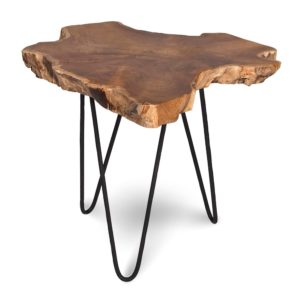
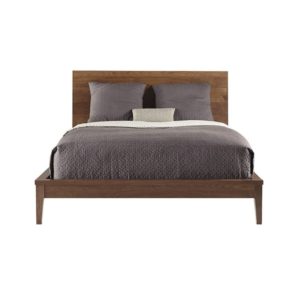
In furniture, WPCs provide a unique aesthetic appeal. The composite can be molded into various shapes and sizes. This versatility allows for creative designs while maintaining a natural wood look. However, not all WPC products perform equally. Some may warp or fade over time, depending on the quality of materials used.
WPCs are also relatively low maintenance. They do not need regular sealing or painting like real wood. Still, it's essential to choose high-quality options for longevity. Over time, some users may find their initial savings diminish if they have to replace low-cost WPC items. It is crucial to balance cost with quality for the best long-term investment.
Future Trends and Innovations in the Wood Plastic Composites Market
The wood plastic composites (WPC) market is witnessing significant growth. Innovations are emerging in materials and applications. Forecasts suggest the market will exceed $10 billion by 2026. This projected growth highlights the increasing demand for sustainable and versatile building materials.
One trend is the development of advanced formulations that enhance performance. Companies are exploring bio-based additives to improve durability and weather resistance. Reports indicate that such formulations can increase lifespan by over 30%. This extension of usability meets eco-conscious consumer preferences while maintaining aesthetic value.
Recycling practices are also evolving. Many manufacturers now focus on post-consumer waste, utilizing recycled plastics. Such strategies can reduce production costs and environmental impact. However, challenges remain, particularly in standardizing material quality. The industry faces a need to balance innovation with rigorous quality assurance.
What is Wood Plastic Composites Market and Its Benefits? - Future Trends and Innovations in the Wood Plastic Composites Market
| Parameter | 2021 Data | 2022 Data | 2023 Data | Future Trends (2024-2028) |
| Market Value (USD Billion) | 4.2 | 4.8 | 5.3 | 7.0 (Projected) |
| Annual Growth Rate (%) | 7.4 | 8.0 | 8.5 | 10.1 (Projected) |
| Key Applications | Decking, Fencing | Furniture, Flooring | Automotive, Construction | Home Goods, Infrastructure |
| Material Composition (%) | 60% Wood, 40% Plastic | 55% Wood, 45% Plastic | 50% Wood, 50% Plastic | 45% Wood, 55% Plastic (Projected) |